Service
Why Asset Cataloguing Is the Future of Heat Exchanger Management
The Hidden Challenge of Managing Heat Exchangers
In industrial environments, heat exchangers rarely demand attention until something goes wrong. Whether you are operating plate heat exchangers (PHE), shell and tube systems, or specialised graphite units, these assets are critical to plant efficiency and thermal performance, yet they often operate quietly in the background, largely unnoticed until a failure forces them into focus.
The real challenge is not simply maintenance. It is visibility. Many industrial facilities operate with dozens of heat exchangers spread across large and complex sites, each unit carrying its own service history, material specifications, and operating conditions. Without a structured system to capture and centralise this information, tracking it becomes increasingly difficult over time. Service records get lost between technicians, maintenance decisions get made from memory rather than data, and the gap between what is known and what is actually happening inside the equipment steadily widens. The result is reactive maintenance, unexpected failures, and rising operational costs that are difficult to predict or control.
Introducing a Smarter Approach to Asset Management
To address this challenge, InKorr has developed a comprehensive Asset Cataloguing & Management Program designed to shift businesses from reactive repairs to proactive, data-driven asset control. Rather than relying on isolated service reports that exist in silos or disappear when staff change, this approach creates a centralised, living database of every heat exchanger on your site. The result is a single, reliable source of truth, one that your team can trust when making maintenance decisions, planning budgets, or responding to an emerging equipment issue.
This shift from reactive to proactive maintenance is not just an operational improvement. It is a strategic one. When you have complete, accurate, and up-to-date information about every asset on your site, you move from managing crises to preventing them entirely.
Building a Digital Blueprint of Your Equipment
The foundation of the program is a comprehensive audit of all heat exchangers within your facility. Each unit is thoroughly documented and categorised into a structured digital schedule, forming a complete operational blueprint of your heat transfer assets. This is not a one-time snapshot, it is a living record that evolves with your equipment, capturing every service event, every measurement, and every observed change over the life of each unit.
What Gets Tracked?
Complete Service History – Every maintenance activity is recorded in full detail, including cleaning, descaling, pressure testing, and inspections. This ensures that nothing is lost between service intervals, between technicians, or between contractors. When your next maintenance window arrives, the full history of the unit is available at a glance.
Parts and Materials Ledger – Critical details such as gasket types, plate materials, and replacement dates are logged and maintained. This removes uncertainty during urgent repairs, ensures component compatibility every time, and eliminates the delays that come from having to identify the right parts from scratch when a unit needs immediate attention.
Damage and Wear Tracking – Technicians document wear patterns, corrosion, and structural anomalies during each service visit. Over time, this data allows for early identification of developing failure risks before they escalate into costly breakdowns, giving your team the opportunity to act on emerging issues during planned downtime rather than emergency shutdowns.
Operational Measurements – Critical specifications such as plate pack measurements are tracked against baseline values to ensure each unit consistently operates at peak performance. Deviations from expected measurements can signal early-stage problems that would otherwise go undetected until they become significant.
From Data to Strategy: Predictive Maintenance
The real value of asset cataloguing lies not just in having the data, but in what that data makes possible. Using the insights collected over time and InKorr’s decades of industry expertise, a predictive maintenance schedule is developed for your entire site. This schedule is not generic, it is tailored specifically to your processes, your equipment, your operating conditions, and your production calendar, whether you are in food manufacturing, chemical processing, pulp and paper, or heavy industry.
Planned Maintenance, Not Emergency Repairs – When you can see what is coming, you can plan for it. Predictive scheduling allows maintenance to be aligned with existing planned shutdowns rather than being triggered by unexpected failures that disrupt production at the worst possible time.
Accurate Budget Forecasting – One of the most significant operational benefits is the ability to forecast maintenance costs with confidence over a 12 to 24-month horizon. Instead of being surprised by unplanned repair costs, your finance and operations teams can plan with clarity and allocate resources where they are needed most.
Optimised Spare Parts Inventory – With a clear picture of which components are approaching end of life and when servicing is due, you can stock exactly what is required and nothing more. This reduces excess inventory, frees up working capital, and eliminates the scramble for parts when an urgent repair is needed.
Why Asset Cataloguing Matters More Than Ever
Industrial operations are growing more complex, and the cost of downtime continues to rise. A single unexpected heat exchanger failure can disrupt an entire production line, damage downstream equipment, delay deliveries, and impact profitability in ways that extend well beyond the immediate repair cost. In highly regulated industries, an unplanned failure can also create compliance and audit challenges that add further cost and complexity.
By implementing a structured asset management system, businesses can eliminate surprise failures through early detection, maintain complete and audit-ready documentation, extend the operational lifespan of high-value equipment, and improve overall plant reliability and efficiency. Across all of these dimensions, the investment in proper asset cataloguing pays for itself many times over.
Perhaps most importantly, it changes the relationship your team has with your equipment. Instead of waiting for heat exchangers to fail, your team is actively monitoring, predicting, and preventing failure. Maintenance becomes a strategic function rather than a reactive one, and that shift has real, measurable value.
Partnering for Long-Term Reliability
At InKorr, asset cataloguing is not simply about record-keeping for its own sake. It is about creating clarity, control, and confidence across your entire operation. By understanding every heat exchanger asset in detail, its history, its condition, its likely future behaviour, your team can make smarter decisions, reduce operational risk, and maintain consistent thermal performance across the full breadth of your heat transfer systems.
Our team brings deep technical expertise in heat exchanger design, maintenance, and performance optimisation. We do not just build the catalogue, we help you interpret it, act on it, and use it to continuously improve the reliability and efficiency of your plant.
Take the Next Step
If your site is still relying on reactive maintenance, scattered service records, or institutional knowledge held only in the heads of key personnel, now is the time to upgrade your approach. The cost of doing nothing is measured in unexpected failures, unplanned downtime, and missed opportunities to extend the life of your equipment.
Move beyond the service report and take real control of your assets with a structured, data-driven management system. Contact the InKorr service team today to start building your asset catalogue and protect your plant’s performance for the long term.
The Hidden Cost of a Fouled Heat Exchanger
A fouled heat exchanger rarely announces itself loudly. Instead, it erodes your plant’s performance quietly. Energy bills climb, production targets slip, and a maintenance shutdown that could have been planned becomes one that cannot be avoided.
Fouling is the single largest cause of reduced heat exchanger performance in industrial plants, yet it remains one of the most underestimated operational costs. Because the decline happens gradually, plants often continue operating with significant efficiency losses long before the problem becomes visible.
Over time, these hidden inefficiencies compound. What begins as a thin layer of deposits can escalate into reduced thermal efficiency, higher pumping energy, corrosion damage, and ultimately premature equipment failure.
Understanding fouling, recognising the warning signs, and addressing the root causes early can save plants significant operational and maintenance costs.
What Is Fouling?
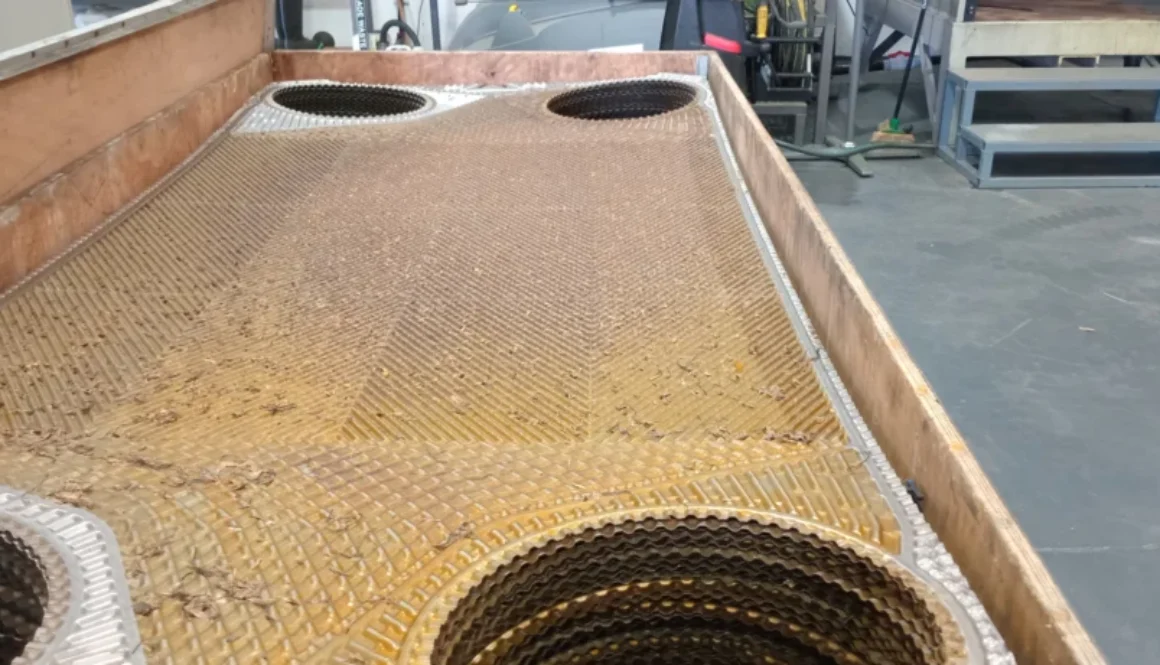
Fouling refers to the accumulation of unwanted material on heat transfer surfaces inside a heat exchanger. These deposits form a barrier between the process fluid and the heating or cooling medium, acting like insulation and slowing the transfer of heat.
Even very thin layers of fouling can significantly reduce performance because heat exchangers rely on clean metal surfaces to transfer heat efficiently.
Several different fouling mechanisms occur in industrial processes.
Scaling and crystallisation occur when dissolved minerals such as calcium carbonate precipitate out of solution, typically in hard water systems. These mineral deposits form hard layers that are difficult to remove and significantly reduce heat transfer.
Biological fouling, also known as biofouling, occurs when microorganisms such as bacteria, algae, or biofilms grow inside cooling water systems. These biological layers trap particles and create thick insulating deposits.
Particulate fouling results from suspended solids present in raw water, slurries, or industrial process streams. These particles settle and accumulate on heat transfer surfaces when fluid velocities are insufficient to keep them suspended.
Corrosion fouling develops when corrosion products form and accumulate on the surface of tubes or plates. These deposits not only reduce heat transfer but also indicate underlying material degradation.
Chemical reaction fouling occurs when chemical reactions at the heat transfer surface create deposits. A common example is product burn-on in food, dairy, or chemical processing when surface temperatures become excessively high.
In many industrial systems, fouling rarely occurs through a single mechanism. Instead, multiple types combine to form complex deposits that are harder to remove and more damaging to performance.
The Real Costs
- Energy losses:When fouling builds on heat transfer surfaces, it increases the thermal resistance within the exchanger. As a result, more energy is required to achieve the same outlet temperature.
A fouling resistance of just 0.0001 m²K/W can reduce the overall heat transfer coefficient (U-value) by 10 to 30 percent. This means boilers, chillers, or cooling towers must work significantly harder to maintain process conditions.
Over months or years, this increased energy consumption can represent a substantial operational cost. - Increased pressure drop:
Deposits inside the exchanger narrow the effective flow channels available for fluid movement. This restriction increases the pressure drop across the equipment.
Higher pressure drop forces pumps to work harder to maintain the same flow rate. In some cases, flow rates decline instead, further reducing heat transfer performance and compounding the problem. - Unplanned downtime:
If fouling is allowed to progress unchecked, heat exchanger performance will eventually fall below acceptable operating limits. At that point, plants are forced to perform emergency cleaning or maintenance.
Unplanned shutdowns are far more expensive than scheduled maintenance because they interrupt production, disrupt downstream processes, and may lead to product losses.


- Accelerated corrosion:
Deposits often trap moisture, oxygen, and corrosive chemicals against metal surfaces. This creates localised environments that promote under-deposit corrosion.
This type of corrosion can lead to pitting, stress cracking, and eventually perforation of tubes or plates. Once structural damage occurs, the issue shifts from a performance problem to an equipment integrity risk. - Shortened equipment life:
Fouling also contributes to mechanical stress within the exchanger. Higher differential pressures, temperature gradients, and corrosion damage can significantly reduce the lifespan of tube bundles or plate packs.
In severe cases, equipment that should operate reliably for decades may require replacement after only half of its expected service life.
Warning Signs to Watch For
- Rising outlet temperatures on the cooling side (or falling on the heating side) at constant flow conditions
- Increasing pressure drop across the unit at the same flow rate
- Steam or utility consumption creeping upward without a change in production output
- Longer time to reach set-point temperatures on startup
- Visible deposits or discolouration during gasket changeouts or inspections

Clean or Replace?
When fouling reduces performance, plant operators must decide whether cleaning the exchanger is sufficient or whether replacement is the more economical option.
When Cleaning Makes Sense
Cleaning is typically the right choice when the exchanger remains structurally sound and fouling is the primary cause of reduced performance.
Common cleaning methods include:
-
CIP (Clean-in-Place) chemical cleaning
-
High-pressure hydroblasting
-
Chemical descaling
-
Mechanical tube brushing or pigging
However, cleaning alone does not solve the underlying cause. If the process conditions that created fouling remain unchanged, deposits will quickly return.
Addressing factors such as water treatment, fluid velocity, and material selection is essential to prevent repeated fouling cycles.
When Replacement Is the Better Option
Replacement becomes more attractive when structural damage or operational inefficiencies make continued cleaning impractical.
Situations where replacement should be considered include:
-
Severe corrosion compromising structural integrity
-
Cleaning cycles becoming increasingly frequent
-
Maintenance costs exceeding the capital cost of replacement within a three to five year timeframe
-
The existing exchanger no longer meeting updated process requirements
When replacement is required, it is often worthwhile to review alternative heat exchanger technologies.
For example, spiral heat exchangers can significantly reduce fouling risk. Their single-channel spiral geometry promotes high turbulence and self-cleaning flow characteristics that help prevent deposit accumulation.


Prevention
While fouling cannot always be eliminated entirely, good design and operational practices can dramatically reduce its impact.
- Design for adequate fluid velocity – low velocity is the primary driver of particulate and biological fouling
- Specify corrosion–resistant alloys (duplex stainless, titanium, Hastelloy) to reduce corrosion fouling
- Invest in upstream water treatment for cooling circuits
- Monitor pressure drop and thermal performance regularly to catch fouling before it becomes severe
Preventative maintenance and monitoring typically cost far less than the operational losses associated with severe fouling.
Is Fouling Costing Your Plant More Than You Think?
Inkorr offers thermal audit services and independent heat exchanger assessments to help you quantify the impact of fouling on your process. Whether you need cleaning guidance, replacement equipment, or a broader review of your heat transfer strategy, our engineering team can help across Australia and New Zealand.
Contact us here for more information.
The Economics of Heat Exchanger Repair: When Is Repair Better Than Replacement?
Heat exchangers are an essential part of modern industry. From chemical processing plants and food manufacturing lines to commercial HVAC systems, they play a critical role in thermal control, energy efficiency, and operational stability. When performance declines or leaks appear, the decision to repair or replace a heat exchanger quickly becomes an economic one, with consequences for capital expenditure, operating costs, energy use, and downtime risk.
As we move into 2026, the global heat exchanger market continues to grow rapidly, driven by decarbonisation targets, rising energy costs, and efficiency regulations. In this environment, choosing the wrong maintenance strategy can result not only in unnecessary spending, but also in long-term energy waste due to reduced thermal efficiency.
This article explores the economics behind heat exchanger repair versus replacement, focusing on lifecycle costs, efficiency impacts, risk, and practical decision thresholds used across industry.
Understanding Heat Exchanger Lifespans and Failures
Most industrial heat exchangers are designed for service lives of 15–25 years, depending on materials, operating pressures, temperatures, and maintenance practices. However, real-world conditions often shorten this lifespan.
Common degradation mechanisms include:
-
Corrosion and erosion of tubes or plates
-
Fouling and scaling that insulate heat transfer surfaces
-
Gasket ageing and loss of elasticity
-
Localised cracking or vibration damage
-
Shell thinning or distortion in shell-and-tube designs
Not all failures are equal. Some are localised and economically repairable, while others indicate systemic ageing that makes replacement the safer and more cost-effective option.
Looking Beyond Upfront Cost: Lifecycle Economics
The repair versus replacement decision should never be based on parts cost alone. Instead, it should be grounded in life cycle costing, which considers the total cost of ownership across the remaining life of the asset.
Lifecycle cost elements include:
-
Repair or replacement capital cost
-
Installation and commissioning
-
Energy efficiency and fuel consumption
-
Ongoing maintenance requirements
-
Downtime risk and lost production
-
Safety, compliance, and inspection costs
In many cases, energy consumption over time far outweighs the initial purchase price of the exchanger itself.
When Repair Makes Economic Sense
Repair is often the most economical choice when damage is localised.
Typical Repair Scenarios
Tube plugging or local tube/plate repair
In shell-and-tube/plate exchangers, if only a few tubes/plates are leaking or degraded, plugging or selective repair is usually a low-cost, fast solution. Turnaround times are often measured in days rather than weeks. However, if some tubes or plates are degraded, often more can follow.
Gasket replacement in plate heat exchangers
Plate-and-frame exchangers commonly experience gasket failure after 10–15 years. Replacing gaskets restores sealing integrity at a fraction of the cost of a new unit, provided the plates themselves are undamaged.
Chemical or mechanical cleaning
Fouling can reduce heat transfer efficiency by up to 30 percent. In many cases, a thorough clean delivers a return on investment within three to six months through reduced energy consumption alone.
Young equipment
If the exchanger is well below its expected design life and has a strong maintenance history, repair can extend service life significantly without introducing excessive risk.
When Replacement Becomes the Better Investment
Replacement is generally the economically superior option when repairs no longer address the root problem or when efficiency losses and risk outweigh short-term savings.
Replacement Conditions
Widespread corrosion or erosion
If a considerable amount of tubes/plates are compromised, the likelihood of cascading failures increases sharply, leading to repeated outages and escalating costs.
Shell integrity issues
Thinning, cracking, or distortion of the shell identified through ultrasonic testing is a major red flag. Shell repairs are complex, expensive, and often introduce safety concerns.
Design obsolescence
Older exchangers may not be compatible with higher efficiency flow arrangements or digital monitoring systems. New designs often deliver meaningful efficiency gains.
Chronic repair history
Frequent repairs are a strong indicator that the asset is approaching the end of its economic life, even if it remains technically operable.
The 50 Percent Rule
A common guideline is that if the total cost of repair including labour, parts, and downtime exceeds 50 percent of the cost of a new unit, replacement should be seriously considered.
While not absolute, this rule provides a practical benchmark for initial evaluation.
Delaying action is often the most expensive option of all. Fouling and degradation force pumps, boilers, and chillers to work harder to meet thermal demands, driving up energy use and accelerating wear elsewhere in the system.
In high-throughput industrial plants, these costs can escalate rapidly, often exceeding the price of proactive maintenance or planned replacement.
Downtime Risk and Operational Impact
Downtime is a critical economic factor, particularly in continuous or batch processing environments. An unexpected exchanger failure can halt production, disrupt downstream processes, and create safety risks.
Planned repairs or replacements allow:
-
Work to be scheduled during shutdowns
-
Spare units or bypass systems to be arranged
-
Labour and parts costs to be controlled
By contrast, emergency failures often result in premium labour rates, expedited parts, and significant lost revenue.
Technology and Predictive Maintenance in 2026
Modern heat exchanger management increasingly relies on predictive maintenance. Advances in condition monitoring, digital twins, and data analytics now allow operators to predict fouling rates, vibration issues, and corrosion progression before failure occurs.
By integrating inspection data such as eddy current testing, ultrasonic thickness measurements, and thermal performance trends, maintenance technicians can intervene to extend the heat exchanger’s lifespan.
This shift moves decision-making from reactive repairs to strategic asset management.
Making the Right Call
The economics of heat exchanger repair versus replacement ultimately come down to data, not intuition. Before deciding, organisations should:
-
Conduct non-destructive testing to understand true material condition
-
Quantify energy penalties associated with reduced heat transfer
-
Assess shell and structural integrity
-
Compare repair cost against remaining service life
-
Consider tube bundle replacement or re-tubing where appropriate, which can deliver many of the benefits of a new unit at a lower cost
In many cases, repair is the right choice. In others, replacement delivers better long-term value, lower risk, and improved efficiency. The key is understanding where each option sits within the full economic picture.
Heat Exchanger Guide
In this heat exchanger guide, we’ll explore how heat exchangers work, their different types, industry applications, pros and cons, and emerging innovations in the industry. Our heat exchanger guide will provide you with the knowledge you need to be able to make an informed decision for what type of heat exchanger is right for you.
What Is the Purpose of a Heat Exchanger?
A heat exchanger transfers thermal energy from a hotter fluid or gas to a cooler one. This can be for heating or cooling processes. A barrier such as a solid wall separates the two fluids, allowing heat to flow while keeping them from coming into contact. This process boosts energy efficiency by recovering heat that would otherwise go to waste. Read below to see the different types of heat exchangers our heat exchanger guide covers.

Types of Heat Exchangers
There are several types of heat exchangers available, each designed for specific conditions and applications. At InKorr, we offer a comprehensive range including:
Plate Heat Exchangers: These consist of multiple thin, corrugated plates that create channels for fluid flow. They offer a high surface area for heat transfer, making them extremely efficient. They have a compact design, and are easy to expand or maintain.
Shell and Tube Heat Exchangers: Shell and tube units consist of a bundle of tubes enclosed within a cylindrical shell. One fluid flows through the tubes while the other flows over them within the shell. They are ideal for high-pressure and high-temperature applications and are easy to clean and service.
Graphite and Non-Metallic Heat Exchangers: These are specifically engineered for handling corrosive fluids. Graphite offers exceptional thermal conductivity, superior corrosion resistance, and a long service life.
Crossflow Welded Plate Heat Exchangers: Crossflow combines the benefits of plate technology with the strength of welded construction. They are designed for high-pressure duties where a fully gasket-free design is needed, enhancing durability and thermal performance.
Shell and Plate Heat Exchangers: A hybrid design that integrates plates within a shell. They combine the high efficiency of plate heat exchangers with the robust construction of shell-and-tube designs, making them suitable for demanding applications involving pressure or temperature variations.
Spiral Heat Exchangers: Built with two flat surfaces wound into a spiral, these units are compact, self-cleaning, and highly efficient. Their design resists clogging, makes maintenance easier, and is ideal for viscous fluids.
Applications Across Industries
Heat exchangers play a vital role in a wide array of industries. In power plants, they transfer heat from one process to another, often converting steam to mechanical energy. Chemical processors and oil refineries rely on heat exchangers to manage extreme temperatures and pressures during chemical reactions. In HVAC systems, they regulate indoor temperatures by transferring heat between air and fluid systems.
Food processing and dairy industries use heat exchangers to pasteurise, cook, or cool ingredients efficiently. The pharmaceutical sector employs them for maintaining precise temperature control during production. Laboratories, mining operations, and the automotive industry (especially in radiators) all benefit from specialised heat exchanger designs to optimise their operations.
Heat Exchanger Guide: How Design Affects Efficiency and Performance
The efficiency of a heat exchanger depends heavily on its design, flow characteristics, and how well it matches the demands of the application. Plate heat exchangers typically deliver the highest thermal efficiency. Their corrugated plates create highly turbulent flow even at low fluid velocities, which maximises heat transfer between fluids. The compact design and large surface area also contribute to quick temperature changes and minimal heat loss.
Shell and tube heat exchangers provide moderate to high efficiency. They are well-suited for high-pressure and high-temperature applications where other types may struggle. Their durability and ability to handle large heat duties make them a reliable choice in demanding industrial settings.
Spiral heat exchangers also perform at a high level due to their single-channel flow path. This unique design promotes consistent turbulence, which improves heat transfer while helping to minimise fouling. Their self-cleaning nature makes them particularly efficient in systems where scaling or contamination might otherwise reduce performance.
Selecting the right type of heat exchanger ensures optimal energy use, lower operational costs, and more reliable process control. Matching the efficiency characteristics of the design to the specific application is key to achieving long-term performance benefits.

Can Heat Exchangers Be Repaired?
Technicians can repair many heat exchangers, and doing so is often more economical than a full replacement. The repairability depends largely on the exchanger’s design and the extent of the damage. For shell and tube heat exchangers, repairs can include plugging leaking tubes to isolate them from the system, replacing damaged tubes, or welding cracks or wear spots in the shell. Technicians can remove and replace tube bundles when necessary, making these exchangers highly serviceable.
In plate heat exchangers, technicians can disassemble the unit to replace individual plates and gaskets that have become worn, cracked, or corroded. Technicians can thoroughly clean and refurbish the frame to restore performance and extend operational life. Re-gasketing, reassembly, and pressure testing are standard steps in this process.
Timely repairs not only prevent larger failures but also reduce downtime and cut costs associated with emergency shutdowns. With proper maintenance and repair, many heat exchangers can remain in service for decades.
What Affects the Lifespan of a Heat Exchanger?
The lifespan of a heat exchanger is influenced by multiple interrelated factors. One of the most significant is the nature of the fluids running through it. Corrosive chemicals, high-salinity water, or fluids with suspended solids can cause internal erosion, corrosion, and fouling, all of which degrade performance and shorten service life.
Water quality is especially critical, as minerals can accumulate on internal surfaces, forming scale that restricts flow and reduces thermal efficiency. Similarly, dirty or particle-laden fluids can clog passageways and create uneven flow patterns, putting additional strain on components.
Thermal and pressure conditions also play a major role. Repeated exposure to high temperatures can cause gaskets, seals, and certain materials to degrade, especially if they are not rated for those conditions. High operating pressure can stress welds and joints, increasing the risk of mechanical failure.
Beyond the working environment, maintenance practices significantly affect longevity. Routine inspections, cleaning, and diagnostic testing help catch early warning signs like pressure drops, leaks, or unusual temperature differences. Scheduled servicing ensures the exchanger continues to operate efficiently and safely.
Lastly, the initial build quality, including materials used and adherence to industry standards, determines how well a heat exchanger will handle operational stresses over time. Units built with premium materials and proper design tolerances tend to last longer, especially in demanding industrial applications.
Are Heat Exchangers Expensive?
The cost of a heat exchanger depends on several factors, including its size, material, pressure rating, and construction complexity.
Simple designs like brazed plate exchangers can be very cost-effective, especially for smaller systems, while complex custom-built shell and tube units used in large industrial processes can be quite expensive.
Get Ahead of Maintenance – Contact Us Today!
With our expanded services and smarter tracking, keeping your heat exchangers running at peak efficiency has never been easier.
📞 Contact us here to schedule a service or learn more about how our new system can benefit your operations.
Shell and Tube Heat Exchanger: The Beginner’s Guide
A shell and tube heat exchanger is among the most reliable and widely used heat exchangers across many industries. Specifically, they serve as the backbone for efficient and durable thermal control in applications ranging from chemical processing to oil refineries, HVAC systems, and power plants. Moreover, these units offer robust construction, handle a range of fluids with versatility, and operate reliably under high pressure and temperature conditions. In this guide, we’ll explore their design, performance, cost considerations, and common issues so you can make a well-informed decision when selecting or maintaining one.
What Is a Shell and Tube Heat Exchanger?
A shell and tube heat exchanger is a mechanical device that facilitates heat transfer between two fluids without mixing them. It consists of a cylindrical shell that houses a bundle of tubes. One fluid flows through the tubes (the tube side), while the other fluid flows around the tubes inside the shell (the shell side). The design allows heat to pass through the tube walls, transferring thermal energy from the hotter fluid to the cooler one. This system is highly effective for both heating and cooling tasks.

Shell and Tube Heat Exchanger Types and Configurations
Shell and tube heat exchangers come in a few different configurations, each with their own benefits and applications:
- Fixed Tube Sheet: This is the simplest and most cost-effective design. However, cleaning the shell side is more difficult since the tubes are permanently fixed.
- U-Tube: In this design, the tubes bend into a U-shape, which allows for better thermal expansion. Additionally, this configuration makes it easier to clean the tube side.
- Floating Head: This design offers maximum flexibility and simplifies maintenance. For example, operators can remove the tube bundle for cleaning, making it ideal for applications prone to fouling.
The right configuration depends on the application’s temperature cycles, risk of fouling, and maintenance preferences.
How the Shell and Tube Heat Exchanger Works
The process begins when one fluid flows through the tubes while another fluid circulates around them inside the shell. Depending on the thermal requirements, the fluids may flow in the same direction (parallel flow), opposite directions (counterflow), or even in crossflow configurations. Counterflow arrangements generally offer the highest thermal efficiency, as they maintain a greater temperature difference across the heat exchanger’s length.
Key Applications Across Industries
Engineers use shell and tube heat exchangers wherever they need durability and large-scale heat transfer.
- Oil and Gas: Used extensively to cool lube oils, condense vapours, and recover waste heat.
- Chemical Processing: Helps in regulating and controlling reaction temperatures.
- Power Generation: Used to preheat boiler feedwater and condense exhaust from turbines.
- HVAC Systems: Essential for large-scale air or water heating and cooling operations.
Their modular design and customisation options make them suitable for virtually any thermal application.

Advantages of the Shell and Tube Heat Exchanger
- Durability: Built to withstand extreme conditions including high pressure and temperature.
- Versatility: Compatible with a wide variety of fluids, including corrosive and fouling-prone media.
- Serviceability: Many designs allow for individual tube replacement, cleaning, or repairs without replacing the entire unit.
- Customisation: Engineers can design units to meet specific flow rates, pressure drops, or spatial constraints.
Disadvantages to Consider
Despite their many benefits, there are a few limitations:
- Larger Footprint: These exchangers tend to be bulkier than plate heat exchangers.
- Higher Initial Cost: These systems cost more upfront, though their longer service life may offset the initial expense.
- Cleaning Complexity: Some designs, particularly fixed tube sheet models, are harder to access and clean thoroughly.
Maintenance and Longevity for Your Shell and Tube Heat Exchanger
To maintain optimal function, routine maintenance is critical to ensuring peak performance and long lifespan. Common service tasks include:
- Tube Cleaning: This involves the periodic removal of scale, sludge, or biological fouling using mechanical or chemical methods.
- Leak Detection: Typically, technicians perform hydrostatic or pneumatic tests to identify weak points or failed seals.
- Tube Plugging or Replacement: Technicians can temporarily plug or fully replace leaking tubes to restore function.
Well-maintained units can last for decades, often with just minor interventions required.
Common Failure Points and Prevention
- Fouling: Over time, the build-up of debris, sludge, or scale impairs heat transfer and increases pressure drop. Therefore, preventive cleaning and pre-filtration of fluids help minimise this.
- Corrosion: Using improper materials or exposing the unit to aggressive fluids can lead to structural failure. Material compatibility is key.
- Thermal Stress: Sudden or repeated temperature changes can cause expansion and contraction damage. Allowing gradual temperature shifts and using appropriate materials helps mitigate this.
Cost Breakdown and Value
The cost of a shell and tube heat exchanger varies depending on size, material, and complexity.
While the initial price tag is usually higher than compact alternatives like plate heat exchangers, shell and tube units can be preferred over plate heat exchangers when handling high pressures, high temperatures, larger heat duties, or applications requiring a close approach temperature, making them a smart investment for demanding industrial environments.
Shell and tube heat exchangers are a cornerstone of industrial heat transfer. Their ability to withstand high pressures and temperatures, manage large heat duties, and achieve close approach temperatures makes them the preferred choice for demanding industrial applications. Whether you’re replacing an existing unit or planning a new installation, understanding their design, operation, and maintenance will help you optimise your system’s thermal performance and reliability.
Get Ahead of Maintenance – Contact Us Today!
With our expanded services and smarter tracking, keeping your heat exchangers running at peak efficiency has never been easier.
📞 Contact us here to schedule a service or learn more about how our new system can benefit your operations.
Plate Heat Exchanger: The Detailed Guide
The plate heat exchanger (PHE) serves a wide range of industries that rely on efficient and compact heat transfer. Industries such as HVAC, food and beverage processing, power generation, and chemical manufacturing rely heavily on these devices to achieve precise temperature control and maximise energy efficiency. In this blog, we’ll explore the key factors affecting plate heat exchangers, including cost, common issues, and performance considerations, so you can make a more informed decision when selecting or maintaining one.
How Much Does a Plate Heat Exchanger Cost?
The cost of a plate heat exchanger can vary significantly depending on several important factors. First and foremost, the size and capacity of the unit play a major role. For instance, smaller units intended for residential or small commercial use generally range from $1,000 to $10,000. On the other hand, large industrial models can easily exceed $100,000, as they require more plates, reinforced frames, and more complex flow paths to handle higher demands.
In addition to size, materials also influence pricing. While standard stainless steel is cost-effective and works for most applications, special materials such as titanium or alloy steels are necessary for corrosive environments like marine or chemical processing. These materials come at a premium. Similarly, the choice of gasket material, whether EPDM, PTFE, or nitrile, affects cost, depending on its resistance to chemicals and high temperatures.

Other Cost Considerations: Customisation, Brand, and Maintenance
The cost of a plate heat exchanger (PHE) can vary significantly depending on several factors, including its size, materials, and application. While it’s difficult to provide an exact price without specific details, the following factors can give you a general idea of the cost range and what influences the price.
Customisation and complexity can significantly increase the total price. Off-the-shelf models are typically more affordable and quicker to acquire, whereas custom-built units designed for specific dimensions or flow rates incur additional design and manufacturing expenses. Likewise, the flow configuration matters. Standard counter-current systems are more common and cost-effective, while advanced options like cross-flow or multi-stream designs often cost more due to their specialised functionality.
Moreover, the brand and manufacturer can impact the price. Established brands may command a higher upfront cost, but they usually offer better reliability, faster delivery times, and more comprehensive after-sales support. Finally, we must consider installation and maintenance. Depending on site conditions and system complexity, installation alone can add thousands of dollars. Over time, you’ll need to factor in ongoing expenses like cleaning, gasket replacements, and part wear when calculating the total cost of ownership.
Here’s a breakdown of cost ranges by application:
| Application Type | Estimated Cost Range |
|---|---|
| Small to Medium Applications | $1,000 – $10,000+ |
| Large Industrial Applications | $10,000 – $100,000+ |
Common Issues with a Plate Heat Exchanger
Although plate heat exchangers offer reliable and easy maintenance, users can still encounter several common issues. For example, fouling and scaling often occur due to mineral deposits, biofilms, or dirt accumulating on the plates. This can reduce heat transfer efficiency and cause blockages. Regular cleaning, either chemically or mechanically, is the most effective way to prevent this.
Another issue is leaking, typically caused by worn-out or incorrectly installed gaskets. Leaks often cause fluid loss and reduced performance, so you should inspect the unit regularly and torque the bolts correctly. In addition, using incompatible materials with certain fluids may lead to corrosion, making material selection a critical step. Using corrosion-resistant metals like titanium can mitigate this problem.
Thermal expansion and stress also pose risks, especially in systems dealing with extreme temperature changes or mismatched materials. To counteract this, ensure all materials are compatible and monitor operating conditions closely. Furthermore, gasket failure can result from chemical attack, improper installation, or general wear and tear. Choosing the right gasket material and replacing it on a regular basis is critical for ongoing performance.
Besides these, pressure drop issues may arise if blockages or fouling are present or if the flow rate is too low. Monitoring flow and cleaning as needed will help maintain system efficiency. Other issues such as plate damage or cracking, improper plate alignment, and incorrect installation usually stem from poor handling or failure to follow manufacturer guidelines. Each of these problems can be prevented or quickly addressed through routine inspections and proper assembly procedures. Lastly, over- or under-tightening the unit can compromise performance, so always use a torque wrench and follow the recommended specifications.
What Influences Efficiency?
Several key factors determine the efficiency of a plate heat exchanger. The primary factor is the plate design and surface area. Plates with corrugated patterns generate turbulence in the fluids, which significantly improves heat transfer. Additionally, increasing the number of plates expands the surface area, further enhancing performance.
The flow arrangement is another major factor. Counter-current flow, where fluids move in opposite directions, offers the highest efficiency by maintaining a greater temperature difference throughout the exchanger. In contrast, co-current and cross-flow arrangements are less effective, although they may be better suited for specific scenarios.
Fluid velocity is also important. While higher velocities increase turbulence and heat transfer rates, they also lead to greater pressure drops. Thus, achieving the right balance is essential. The temperature difference between the hot and cold fluids is also a driving force in heat exchange; a greater difference generally leads to better performance, while smaller approach temperatures can reduce effectiveness.

Operational and Maintenance Factors That Affect Performance
Fluid properties also come into play. Fluids with higher thermal conductivity exchange heat more effectively. Conversely, fluids with high viscosity tend to flow more slowly and reduce heat transfer rates. Specific heat capacity also matters, as it determines how much energy a fluid can absorb during the process.
Another factor to consider is the pressure drop across the exchanger. A high pressure drop can increase operating costs, so the system should be designed to minimise resistance without compromising heat transfer. At the same time, fouling resistance is crucial. Keeping plates clean and using fouling-resistant materials or coatings can greatly improve long-term efficiency.
Gasket integrity also impacts performance. A failed gasket can cause leaks and shutdowns, so choosing compatible materials and performing routine checks is essential. Additionally, maintenance and cleaning routines are critical. Neglected units quickly lose efficiency, while well-maintained systems continue to perform optimally.
Lastly, design and sizing play a crucial role. An undersized exchanger will struggle to meet demand, whereas an oversized one may incur unnecessary capital and operating costs. Consistent operational conditions such as steady temperatures and flow rates also help maintain reliable performance over time.
Are Plate Heat Exchangers Cost-Effective?
In many situations, plate heat exchangers prove to be more cost-effective than traditional shell and tube models. Not only are they generally cheaper to purchase and install, but they also offer advantages in terms of space, maintenance, and flexibility. For example, PHEs can be cleaned and serviced on-site without disconnecting pipework, which drastically reduces downtime.
That said, there are some trade-offs to consider. Although shell and tube exchangers often have longer lifespans, they require more space and can be significantly more expensive to repair or modify. Ultimately, the cost-effectiveness of a plate heat exchanger depends on your specific needs, especially when it comes to budget, space constraints, operating conditions, and maintenance requirements.
Plate heat exchangers offer a flexible, compact, and efficient solution for a wide variety of thermal applications. By understanding the costs, recognising common issues, and considering the factors that influence performance, you can make more informed decisions when selecting, operating, or maintaining a plate heat exchanger. Whether you’re managing a small commercial system or a large-scale industrial operation, getting these details right will lead to better outcomes in the long run.
Get Ahead of Maintenance – Contact Us Today!
With our expanded services and smarter tracking, keeping your heat exchangers running at peak efficiency has never been easier.
📞 Contact us here to schedule a service or learn more about how our new system can benefit your operations.
Heat Exchanger Maintenance Essential Guide
Why Is Regular Maintenance Important for Heat Exchangers?
Regular heat exchanger maintenance is essential to ensure equipment operates at peak efficiency. When an exchanger doesn’t function optimally, it takes longer and uses more energy to achieve the desired heat transfer. This increases pump run times, raises energy consumption, and places additional strain on boilers or other heat sources. By maintaining your system regularly, you can reduce inefficiencies, lower operating costs, and extend the unit’s service life.
Recognising the Signs and Scheduling Maintenance
Heat exchangers that need servicing often show clear warning signs. One of the most common is reduced heat transfer efficiency. If the unit fails to deliver the expected temperature difference, it’s likely struggling to perform. You might also notice low flow rates, which typically result from blocked inlets or outlets restricting fluid movement. Leaks are another clear indicator, often caused by gasket failure or plate deterioration, and can appear as drips or pooling fluid around the unit.
How often you should service a heat exchanger depends on what the unit does. Cooling applications usually require inspection every two to three years because they run on cleaner systems, like glycol, which are gentler on internal parts. Heating applications, however, demand more frequent maintenance. High temperatures and frequent thermal expansion wear out gaskets and promote fouling. As a general rule, service steam units annually and hot water systems every one to two years. While many wait for leaks to occur before acting, proactive maintenance prevents breakdowns and keeps your system efficient.
Routine maintenance tasks vary depending on the system. Typically, you should open and clean the unit every one to three years. Inspect and replace gaskets when necessary, especially in high-heat environments. Use Chemical Cleaning-In-Place (CIP) methods to reduce fouling without needing full disassembly, and carry out gas testing to check plate integrity and catch issues early.
Several factors affect how often you should perform maintenance. High operating temperatures cause faster gasket wear and more fouling, meaning more frequent servicing. The type and cleanliness of the fluid passing through the exchanger also matter, dirty or corrosive substances accelerate wear. Finally, how often the system runs influences maintenance needs. Continuous use puts more strain on the components than intermittent operation.

Heat Exchanger Repair Guide
Several common issues can require repairs for heat exchangers. Gasket failure is one of the most frequent problems, as gaskets become brittle and crack over time, leading to leaks. Plate damage is another concern, where holes or corrosion in plates can cause cross-contamination between fluids. Frames and bolts can also deteriorate, particularly if they become rusty or seized, making servicing difficult. Additionally, nozzle and liner breakage can impact fluid flow and reduce efficiency.
Most heat exchanger problems can be repaired, but the decision between repair and replacement depends on cost, downtime, and severity. Minor issues, such as gasket replacement or plate cleaning, are usually cost-effective solutions. However, if multiple plates are compromised, a full plate pack replacement may be more efficient. In critical systems where downtime must be minimised, installing a new unit may be the best option, even if it comes at a higher initial cost.
Diagnosing heat exchanger problems involves identifying the source of inefficiencies. Leaks are often due to gasket failure, which can be detected by checking for fluid drips from the plate pack. Fouled plates or blocked nozzles typically cause poor heat transfer performance. Technicians can assess this by comparing the inlet and outlet temperatures. If the temperatures are nearly identical, the unit isn’t transferring heat effectively. Restricted flow rates can also indicate blockages in the inlets or outlets.
The time required to repair a heat exchanger varies depending on factors such as unit size, complexity, and the extent of the issue. Larger units or those with extensive fouling take longer to service. The type of repair also impacts time; simple gasket replacements are quicker, while full plate pack changes require more time and labour. Costs depend on parts such as new plates, gaskets, nozzles, frames, and labour expenses for completing the job.

Heat Exchanger Cleaning Guide
Keeping a heat exchanger clean is essential for maintaining its efficiency. Technicians use several cleaning methods, including chemical cleaning, mechanical cleaning with brushes or scrapers, high-pressure washing, and CIP cleaning, which flushes cleaning agents through the unit without requiring disassembly.
Signs that a heat exchanger needs cleaning include reduced heat transfer efficiency, increased energy consumption, and pressure drops. If the inlet and outlet temperatures are too similar, it indicates that fouling is preventing effective heat transfer. A significant rise in energy usage can also signal that the system is working harder to compensate for inefficiencies caused by build-up. Pressure drops can indicate clogged or restricted flow paths, which require immediate attention.
Neglecting regular cleaning can lead to severe consequences. Fouling layers accumulate over time, acting as an insulation barrier that prevents efficient heat transfer. This results in higher energy costs, reduced system performance, and increased wear on components. If left unchecked, these build-up layers can cause corrosion, plate damage, and eventual failure, leading to costly repairs or complete unit replacements.

Other Key Considerations
The type of heat exchanger affects its maintenance and repair needs. High-temperature units require frequent servicing due to gasket wear and fouling build-up. Systems exposed to chemicals, such as pool heat exchangers, experience accelerated degradation of plates and gaskets. Steam units are also more prone to rapid fouling and gasket failure due to repeated thermal cycling.
Regular heat exchanger maintenance and upgrades can improve the performance of heat exchangers. Expanding a plate pack or upgrading to a larger unit can enhance efficiency and reduce the impact of fouling. Routine cleaning and servicing ensure that the plates remain as clean as possible, allowing for optimal heat transfer and extending the lifespan of the equipment.
Proper heat exchanger maintenance, timely repairs, and regular cleaning are essential for maximising the efficiency and longevity of heat exchangers. By following a structured maintenance plan and addressing issues proactively, businesses can minimise downtime, reduce operational costs, and ensure consistent performance of their heat exchange systems.
Get Ahead of Maintenance – Contact Us Today!
With our expanded services and smarter tracking, keeping your heat exchangers running at peak efficiency has never been easier.
📞 Contact us here to schedule a service or learn more about how our new system can benefit your operations.

Heat Exchanger Repair Highlights from FY2022/2023

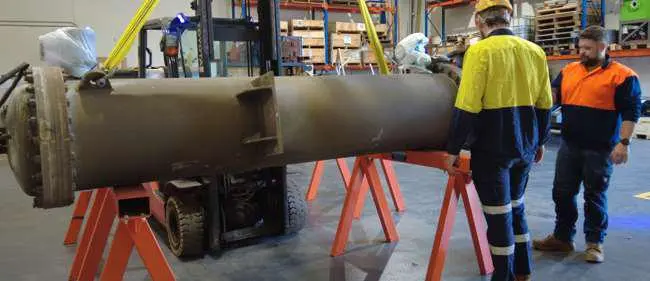
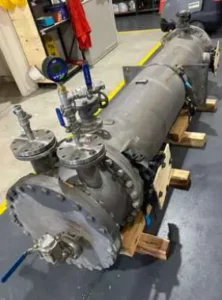
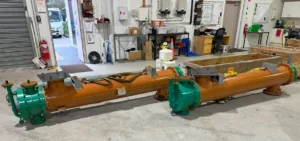
We’re in the business of keeping the energy sector running smoothly, and we’ve recently showcased our expertise with a major player in the industry. They entrusted us with their Shell and Tube Heat Exchangers for a top-notch refurbishment.
Shell and tube heat exchangers are the go-to choice for high-pressure applications, commonly found in oil refineries and large chemical operations. These robust units consist of a shell, a substantial pressure vessel, housing a collection of tubes.
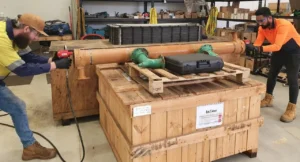
The heat exchangers were sent to our warehouse for in-house refurbishment
- Upon arrival, we conducted a thorough inspection.
- Disassembled bonnets and removed the tube bundle.
- Checked the shell for damage and debris.
- Cleaned the tube bundle and shell with precision.
- Applied protective oil coating and replaced gaskets.
- Rigorous gas testing on both sides to ensure no leaks.
- Delivered efficient service within the planned schedule.

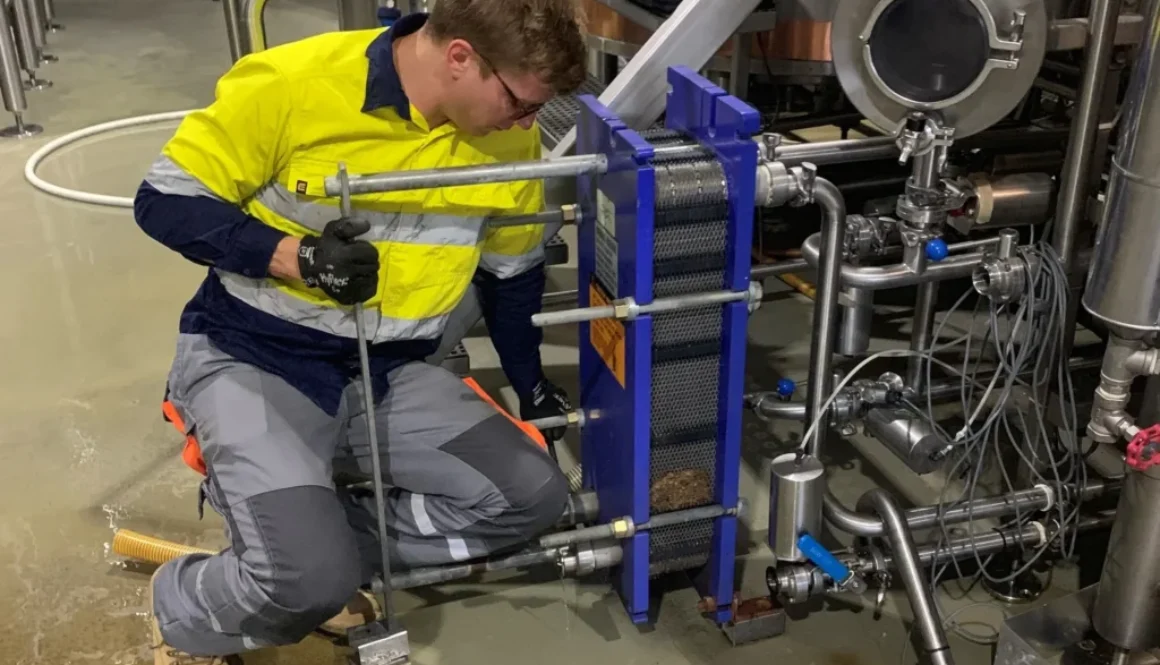
InKorr’s expertise extends beyond the energy sector, as we’ve been diligently servicing swimming pools across Victoria. These pools rely on plate heat exchangers to maintain the perfect temperature. Our team of technicians performs on-site servicing, which can range from simple cleaning and regasketing to a complete plate pack replacement, depending on the heat exchanger’s condition. Our clients appreciate our quality work and punctual service.
InKorr has provided servicing for over 40 pools around Victoria.
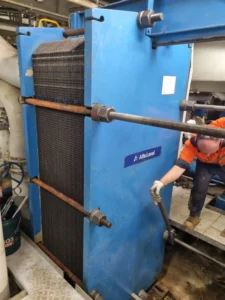
InKorr provides service to the abattoir heat exchanger done many critical jobs in the past. Earlier this year InKorr did a servicing for a large Plate Heat Exchanger. The client had 3 identical large Plate Heat Exchangers which were in really bad condition and our client couldn’t afford a shutdown. Therefore our technicians first had to swap out the whole plate heat exchanger and clean the old plates in-house and again swap them. InKorr could finish the job very efficiently and the client was very pleased with the efficiency of our Technicians as the heat exchangers were refurbished without a major shutdown.

Case Study- Shell and Tube Heat Exchanger Refurbishment
InKorr were approached to perform a Shell and Tube Heat Exchanger repair, we arranged a meeting at site for an inspection and to discuss the required works, including decommissioning, removal from site, full heat exchanger refurbishment, replacement parts, testing, reinstallation & recommissioning.

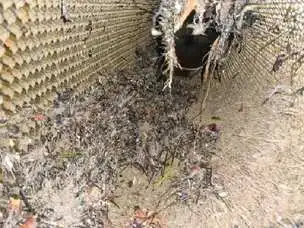
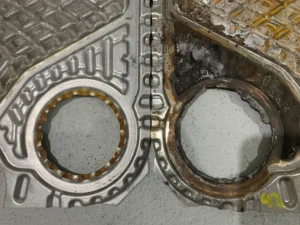
With our quote accepted, our service team removed the unit and brought it back to our workshop where we carried out an initial inspection including leak test and disassembly to assess the internal condition. The testing found leaks at the tube bundle seals. Full disassembly of the unit revealed both the Shell and the tubes circuits of the unit were heavily fouled as seen below.

While the heat exchanger cleaning was being completed, new bolt sets, custom gaskets and new insulation was organized for the reassembly of the unit.
With the unit all clean, we reassembled and performed pressure tests on both circuits of the exchanger.

New insulation and the casings were installed and the unit was readied for transport back to site.
InKorr returned to site with the refurbished unit, re-installed and connected up to its process, and then assisted the client with recommissioning the unit and observing its performance, to which our client exclaimed “I’ve never seen the unit heat up the oil bath so quickly!”