admin
Posts by :
Heat Exchanger Guide
In this heat exchanger guide, we’ll explore how heat exchangers work, their different types, industry applications, pros and cons, and emerging innovations in the industry. Our heat exchanger guide will provide you with the knowledge you need to be able to make an informed decision for what type of heat exchanger is right for you.
What Is the Purpose of a Heat Exchanger?
A heat exchanger transfers thermal energy from a hotter fluid or gas to a cooler one. This can be for heating or cooling processes. A barrier such as a solid wall separates the two fluids, allowing heat to flow while keeping them from coming into contact. This process boosts energy efficiency by recovering heat that would otherwise go to waste. Read below to see the different types of heat exchangers our heat exchanger guide covers.

Types of Heat Exchangers
There are several types of heat exchangers available, each designed for specific conditions and applications. At InKorr, we offer a comprehensive range including:
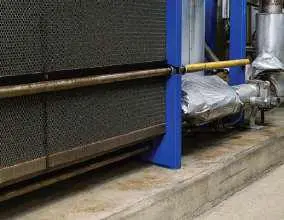
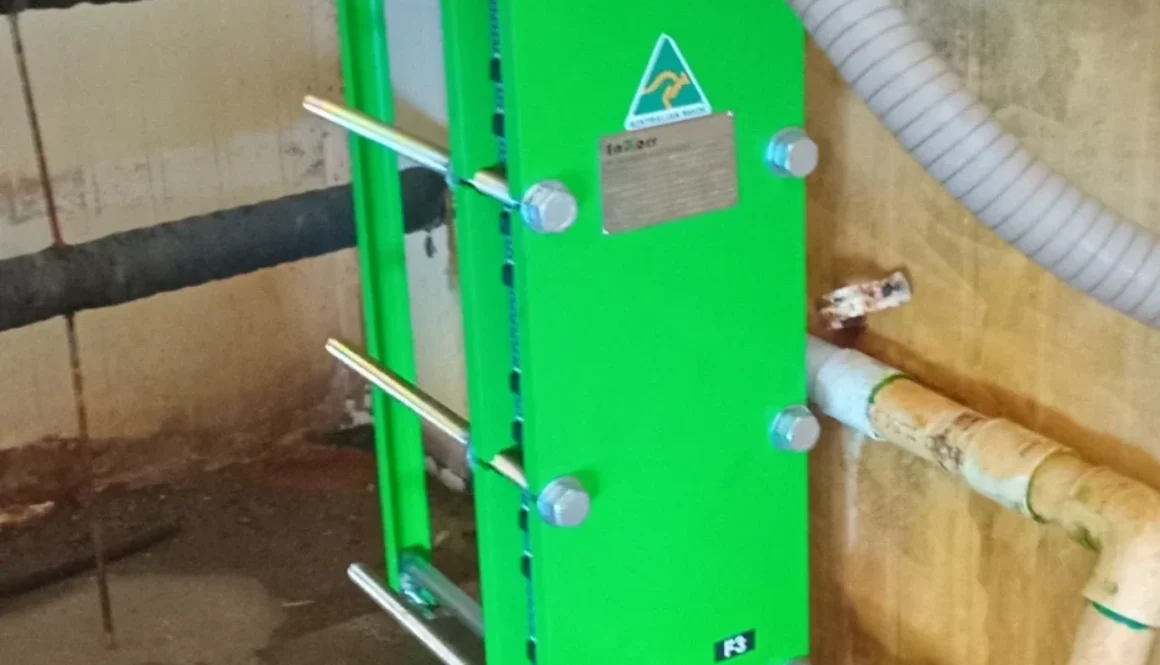
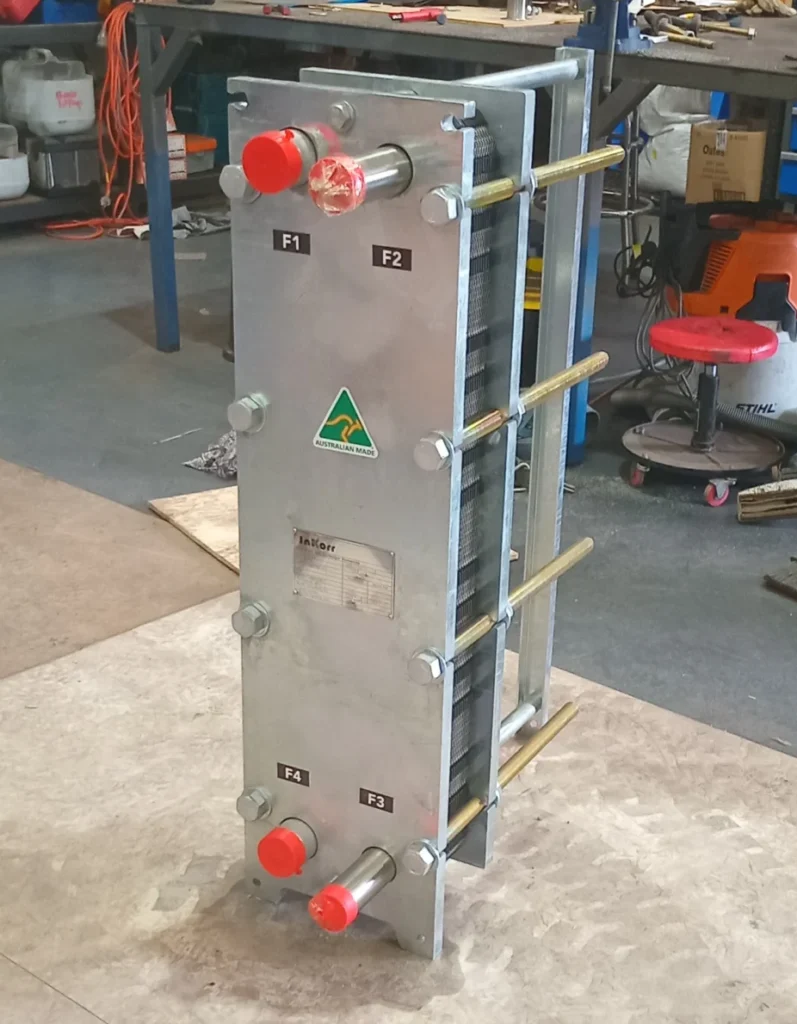
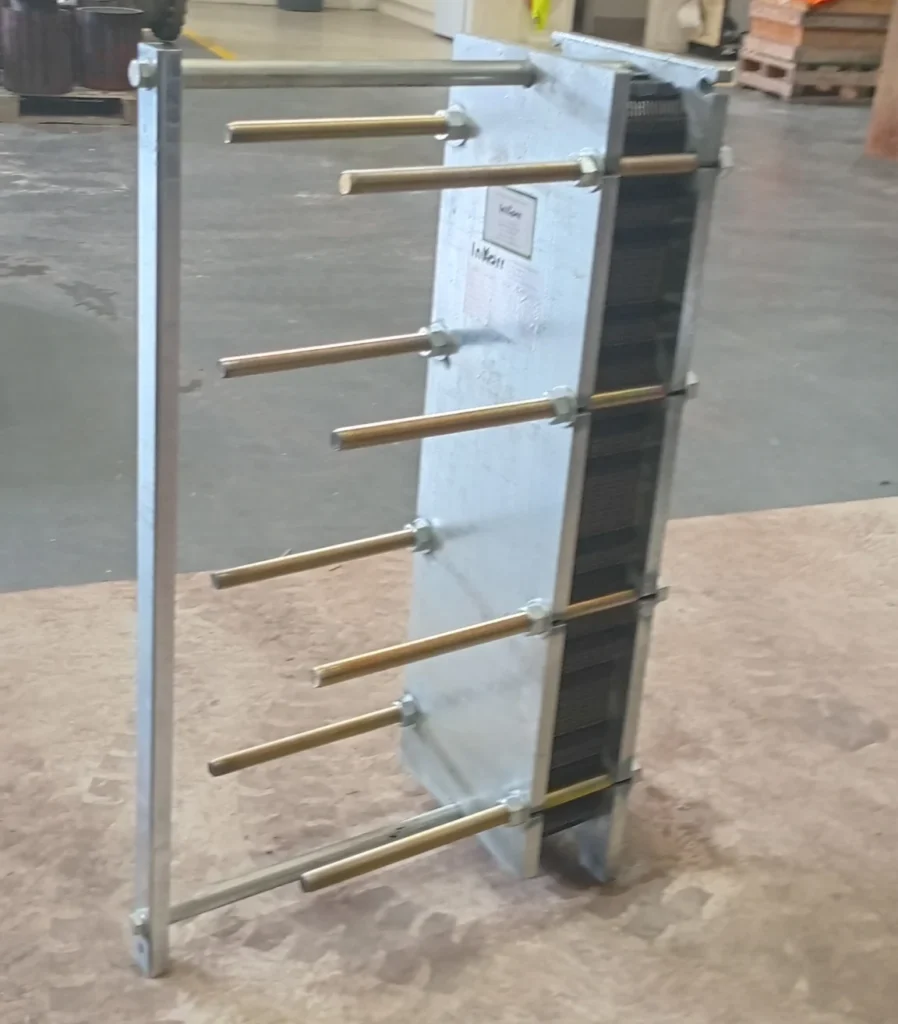
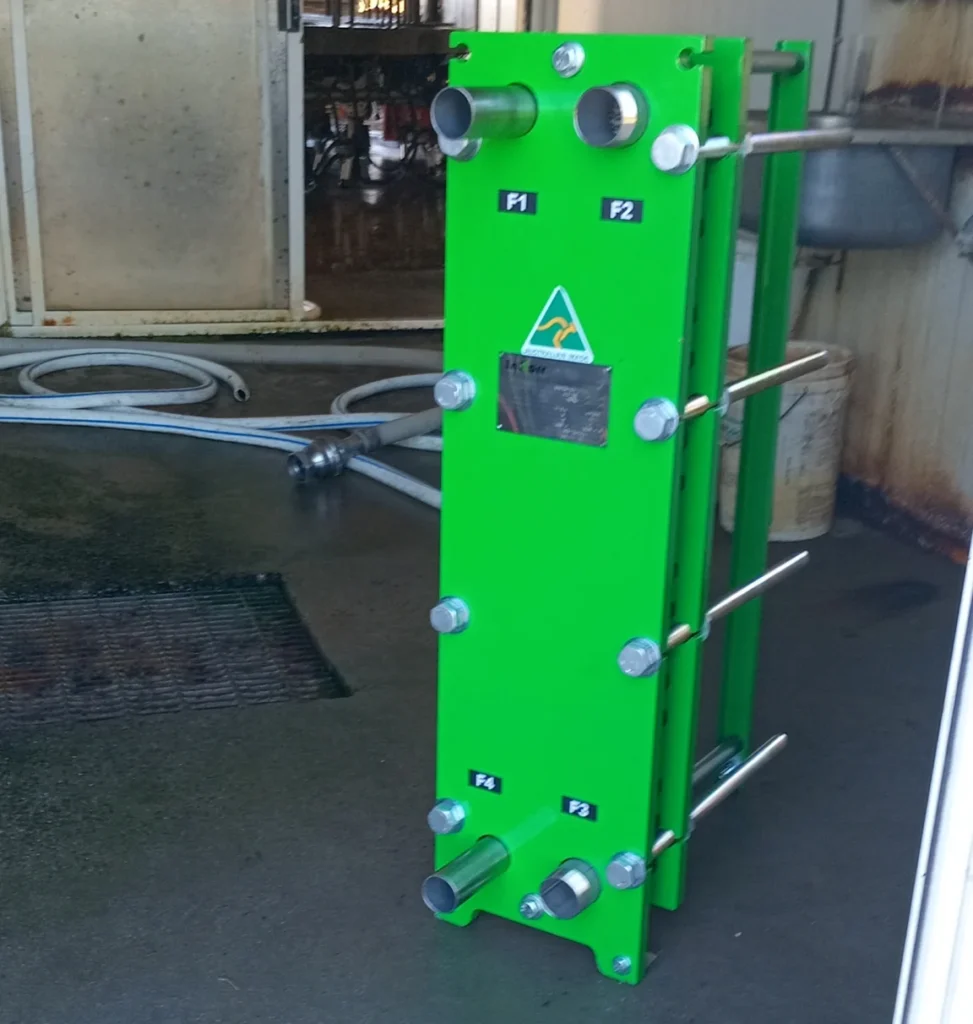
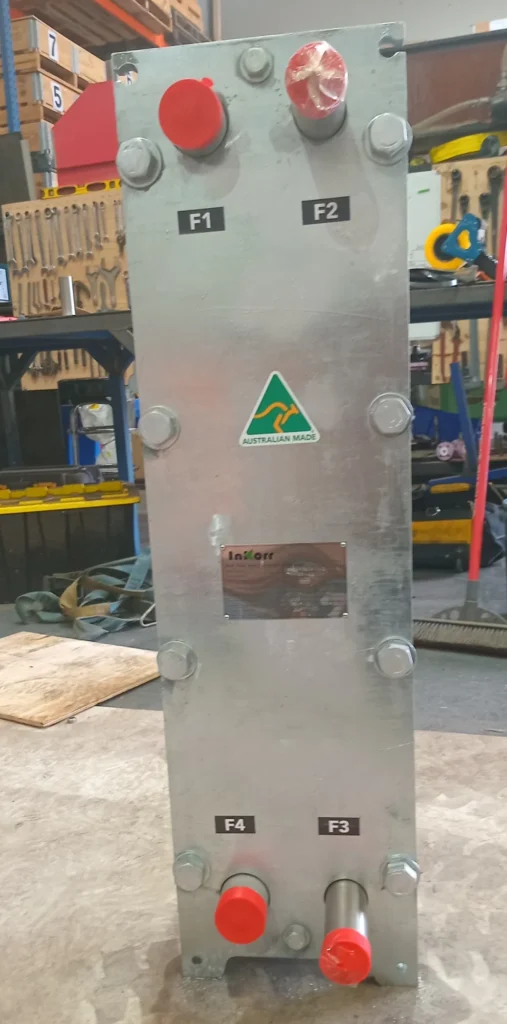
Plate Heat Exchangers: These consist of multiple thin, corrugated plates that create channels for fluid flow. They offer a high surface area for heat transfer, making them extremely efficient. They have a compact design, and are easy to expand or maintain.
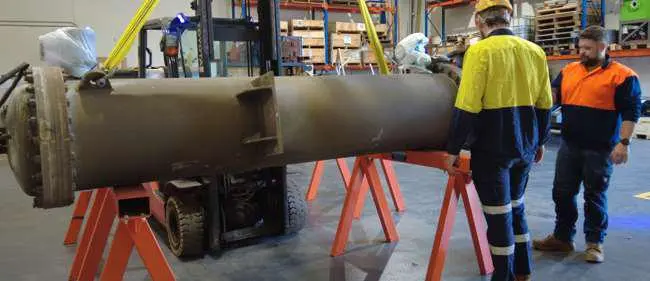
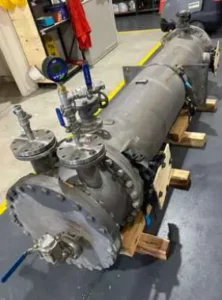
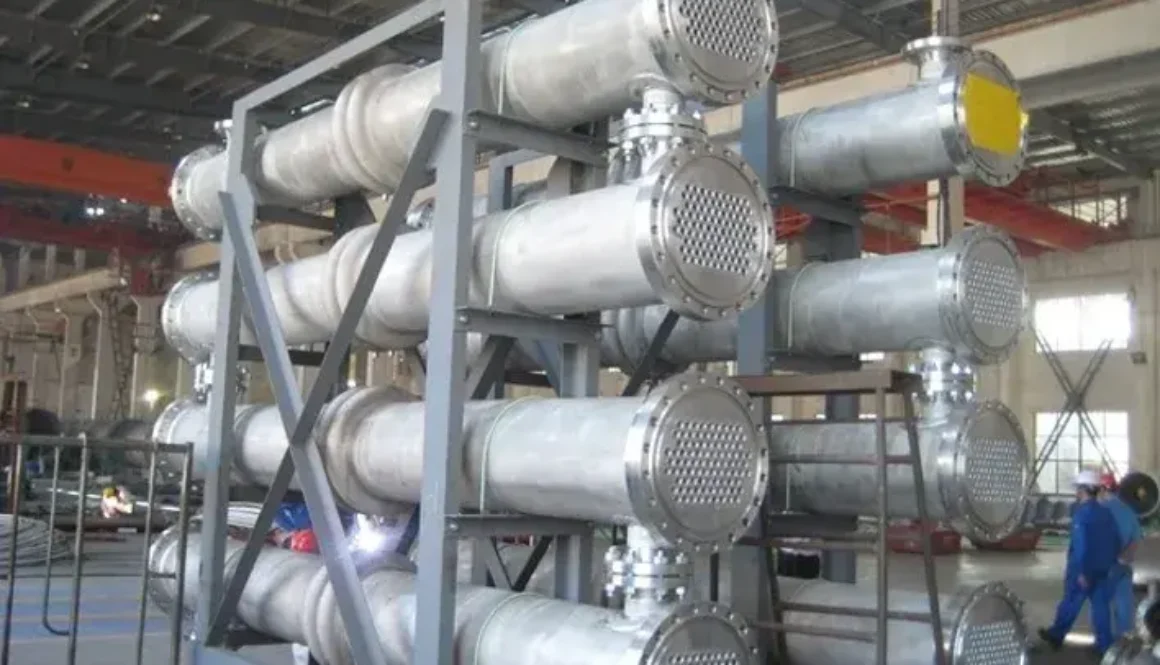
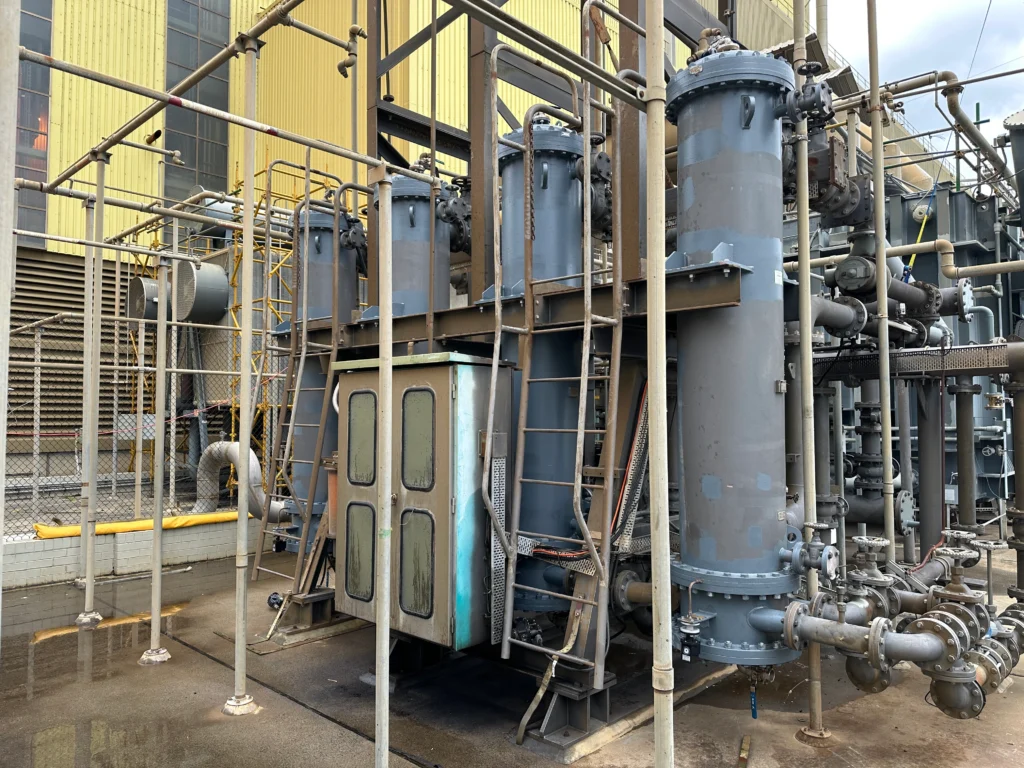
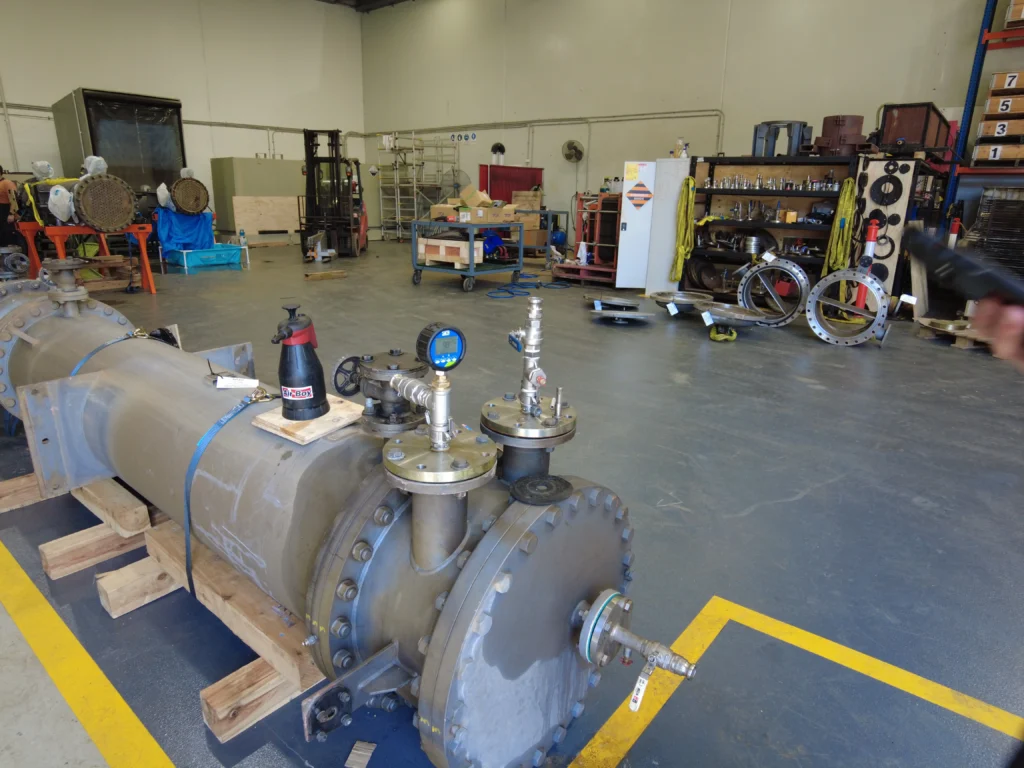
Shell and Tube Heat Exchangers: Shell and tube units consist of a bundle of tubes enclosed within a cylindrical shell. One fluid flows through the tubes while the other flows over them within the shell. They are ideal for high-pressure and high-temperature applications and are easy to clean and service.
Graphite and Non-Metallic Heat Exchangers: These are specifically engineered for handling corrosive fluids. Graphite offers exceptional thermal conductivity, superior corrosion resistance, and a long service life.
Crossflow Welded Plate Heat Exchangers: Crossflow combines the benefits of plate technology with the strength of welded construction. They are designed for high-pressure duties where a fully gasket-free design is needed, enhancing durability and thermal performance.
Shell and Plate Heat Exchangers: A hybrid design that integrates plates within a shell. They combine the high efficiency of plate heat exchangers with the robust construction of shell-and-tube designs, making them suitable for demanding applications involving pressure or temperature variations.
Spiral Heat Exchangers: Built with two flat surfaces wound into a spiral, these units are compact, self-cleaning, and highly efficient. Their design resists clogging, makes maintenance easier, and is ideal for viscous fluids.
Applications Across Industries
Heat exchangers play a vital role in a wide array of industries. In power plants, they transfer heat from one process to another, often converting steam to mechanical energy. Chemical processors and oil refineries rely on heat exchangers to manage extreme temperatures and pressures during chemical reactions. In HVAC systems, they regulate indoor temperatures by transferring heat between air and fluid systems.
Food processing and dairy industries use heat exchangers to pasteurise, cook, or cool ingredients efficiently. The pharmaceutical sector employs them for maintaining precise temperature control during production. Laboratories, mining operations, and the automotive industry (especially in radiators) all benefit from specialised heat exchanger designs to optimise their operations.
Heat Exchanger Guide: How Design Affects Efficiency and Performance
The efficiency of a heat exchanger depends heavily on its design, flow characteristics, and how well it matches the demands of the application. Plate heat exchangers typically deliver the highest thermal efficiency. Their corrugated plates create highly turbulent flow even at low fluid velocities, which maximises heat transfer between fluids. The compact design and large surface area also contribute to quick temperature changes and minimal heat loss.
Shell and tube heat exchangers provide moderate to high efficiency. They are well-suited for high-pressure and high-temperature applications where other types may struggle. Their durability and ability to handle large heat duties make them a reliable choice in demanding industrial settings.
Spiral heat exchangers also perform at a high level due to their single-channel flow path. This unique design promotes consistent turbulence, which improves heat transfer while helping to minimise fouling. Their self-cleaning nature makes them particularly efficient in systems where scaling or contamination might otherwise reduce performance.
Selecting the right type of heat exchanger ensures optimal energy use, lower operational costs, and more reliable process control. Matching the efficiency characteristics of the design to the specific application is key to achieving long-term performance benefits.

Can Heat Exchangers Be Repaired?
Technicians can repair many heat exchangers, and doing so is often more economical than a full replacement. The repairability depends largely on the exchanger’s design and the extent of the damage. For shell and tube heat exchangers, repairs can include plugging leaking tubes to isolate them from the system, replacing damaged tubes, or welding cracks or wear spots in the shell. Technicians can remove and replace tube bundles when necessary, making these exchangers highly serviceable.
In plate heat exchangers, technicians can disassemble the unit to replace individual plates and gaskets that have become worn, cracked, or corroded. Technicians can thoroughly clean and refurbish the frame to restore performance and extend operational life. Re-gasketing, reassembly, and pressure testing are standard steps in this process.
Timely repairs not only prevent larger failures but also reduce downtime and cut costs associated with emergency shutdowns. With proper maintenance and repair, many heat exchangers can remain in service for decades.
What Affects the Lifespan of a Heat Exchanger?
The lifespan of a heat exchanger is influenced by multiple interrelated factors. One of the most significant is the nature of the fluids running through it. Corrosive chemicals, high-salinity water, or fluids with suspended solids can cause internal erosion, corrosion, and fouling, all of which degrade performance and shorten service life.
Water quality is especially critical, as minerals can accumulate on internal surfaces, forming scale that restricts flow and reduces thermal efficiency. Similarly, dirty or particle-laden fluids can clog passageways and create uneven flow patterns, putting additional strain on components.
Thermal and pressure conditions also play a major role. Repeated exposure to high temperatures can cause gaskets, seals, and certain materials to degrade, especially if they are not rated for those conditions. High operating pressure can stress welds and joints, increasing the risk of mechanical failure.
Beyond the working environment, maintenance practices significantly affect longevity. Routine inspections, cleaning, and diagnostic testing help catch early warning signs like pressure drops, leaks, or unusual temperature differences. Scheduled servicing ensures the exchanger continues to operate efficiently and safely.
Lastly, the initial build quality, including materials used and adherence to industry standards, determines how well a heat exchanger will handle operational stresses over time. Units built with premium materials and proper design tolerances tend to last longer, especially in demanding industrial applications.
Are Heat Exchangers Expensive?
The cost of a heat exchanger depends on several factors, including its size, material, pressure rating, and construction complexity.
Simple designs like brazed plate exchangers can be very cost-effective, especially for smaller systems, while complex custom-built shell and tube units used in large industrial processes can be quite expensive.
Get Ahead of Maintenance – Contact Us Today!
With our expanded services and smarter tracking, keeping your heat exchangers running at peak efficiency has never been easier.
📞 Contact us here to schedule a service or learn more about how our new system can benefit your operations.
Shell and Tube Heat Exchanger: The Beginner’s Guide
A shell and tube heat exchanger is among the most reliable and widely used heat exchangers across many industries. Specifically, they serve as the backbone for efficient and durable thermal control in applications ranging from chemical processing to oil refineries, HVAC systems, and power plants. Moreover, these units offer robust construction, handle a range of fluids with versatility, and operate reliably under high pressure and temperature conditions. In this guide, we’ll explore their design, performance, cost considerations, and common issues so you can make a well-informed decision when selecting or maintaining one.
What Is a Shell and Tube Heat Exchanger?
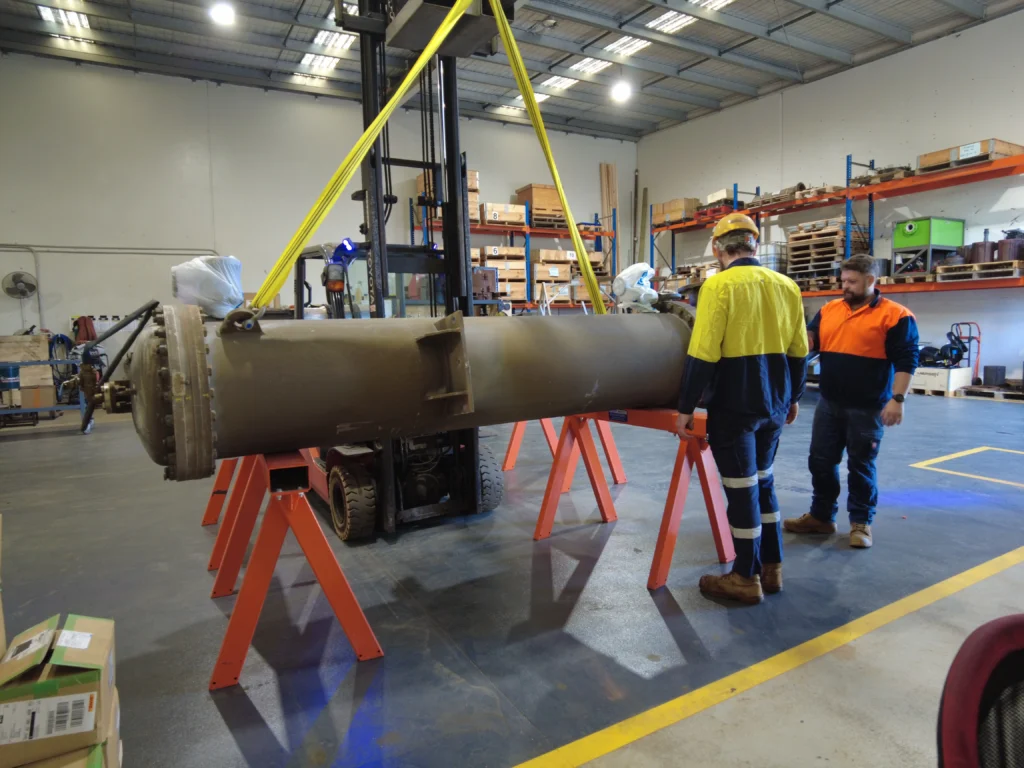
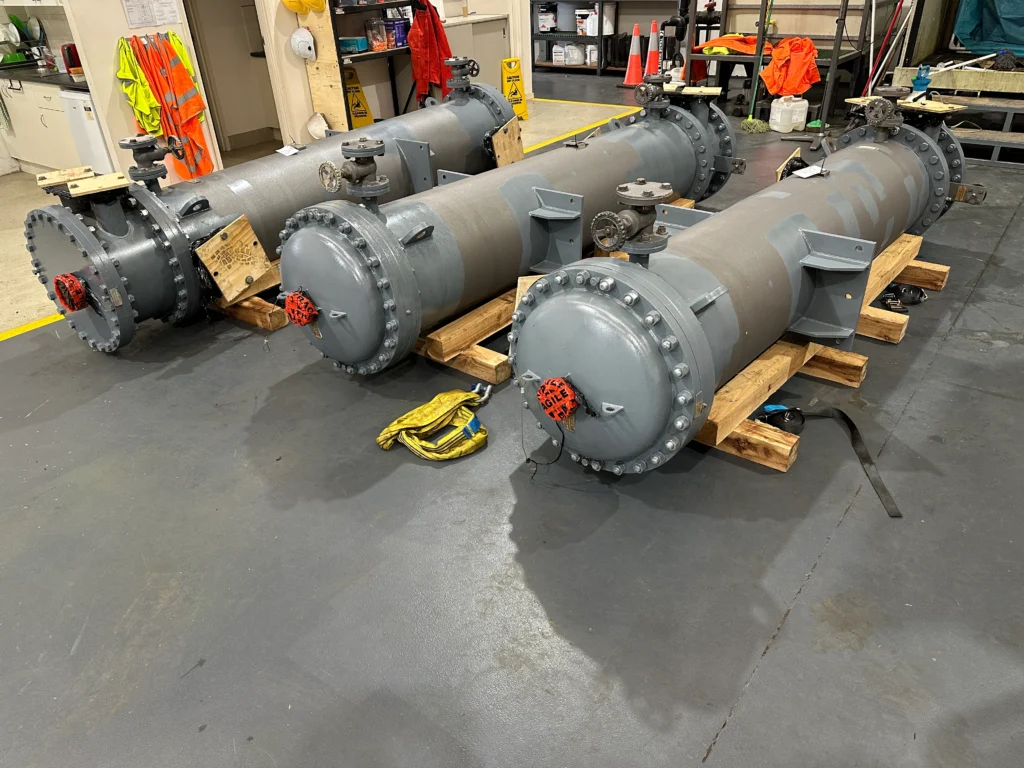
A shell and tube heat exchanger is a mechanical device that facilitates heat transfer between two fluids without mixing them. It consists of a cylindrical shell that houses a bundle of tubes. One fluid flows through the tubes (the tube side), while the other fluid flows around the tubes inside the shell (the shell side). The design allows heat to pass through the tube walls, transferring thermal energy from the hotter fluid to the cooler one. This system is highly effective for both heating and cooling tasks.

Shell and Tube Heat Exchanger Types and Configurations
Shell and tube heat exchangers come in a few different configurations, each with their own benefits and applications:
- Fixed Tube Sheet: This is the simplest and most cost-effective design. However, cleaning the shell side is more difficult since the tubes are permanently fixed.
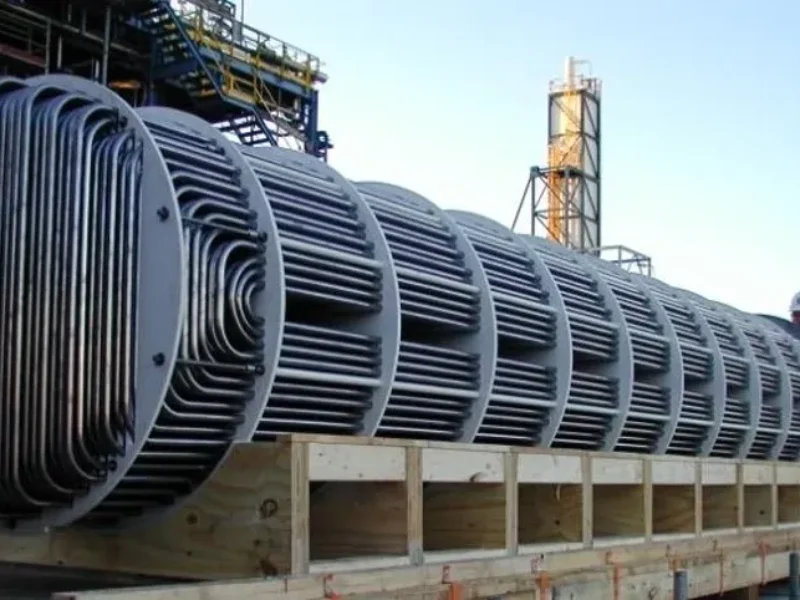
- U-Tube: In this design, the tubes bend into a U-shape, which allows for better thermal expansion. Additionally, this configuration makes it easier to clean the tube side.
- Floating Head: This design offers maximum flexibility and simplifies maintenance. For example, operators can remove the tube bundle for cleaning, making it ideal for applications prone to fouling.
The right configuration depends on the application’s temperature cycles, risk of fouling, and maintenance preferences.
How the Shell and Tube Heat Exchanger Works
The process begins when one fluid flows through the tubes while another fluid circulates around them inside the shell. Depending on the thermal requirements, the fluids may flow in the same direction (parallel flow), opposite directions (counterflow), or even in crossflow configurations. Counterflow arrangements generally offer the highest thermal efficiency, as they maintain a greater temperature difference across the heat exchanger’s length.
Key Applications Across Industries
Engineers use shell and tube heat exchangers wherever they need durability and large-scale heat transfer.
- Oil and Gas: Used extensively to cool lube oils, condense vapours, and recover waste heat.
- Chemical Processing: Helps in regulating and controlling reaction temperatures.
- Power Generation: Used to preheat boiler feedwater and condense exhaust from turbines.
- HVAC Systems: Essential for large-scale air or water heating and cooling operations.
Their modular design and customisation options make them suitable for virtually any thermal application.

Advantages of the Shell and Tube Heat Exchanger
- Durability: Built to withstand extreme conditions including high pressure and temperature.
- Versatility: Compatible with a wide variety of fluids, including corrosive and fouling-prone media.
- Serviceability: Many designs allow for individual tube replacement, cleaning, or repairs without replacing the entire unit.
- Customisation: Engineers can design units to meet specific flow rates, pressure drops, or spatial constraints.
Disadvantages to Consider
Despite their many benefits, there are a few limitations:
- Larger Footprint: These exchangers tend to be bulkier than plate heat exchangers.
- Higher Initial Cost: These systems cost more upfront, though their longer service life may offset the initial expense.
- Cleaning Complexity: Some designs, particularly fixed tube sheet models, are harder to access and clean thoroughly.
Maintenance and Longevity for Your Shell and Tube Heat Exchanger
To maintain optimal function, routine maintenance is critical to ensuring peak performance and long lifespan. Common service tasks include:
- Tube Cleaning: This involves the periodic removal of scale, sludge, or biological fouling using mechanical or chemical methods.
- Leak Detection: Typically, technicians perform hydrostatic or pneumatic tests to identify weak points or failed seals.
- Tube Plugging or Replacement: Technicians can temporarily plug or fully replace leaking tubes to restore function.
Well-maintained units can last for decades, often with just minor interventions required.
Common Failure Points and Prevention
- Fouling: Over time, the build-up of debris, sludge, or scale impairs heat transfer and increases pressure drop. Therefore, preventive cleaning and pre-filtration of fluids help minimise this.
- Corrosion: Using improper materials or exposing the unit to aggressive fluids can lead to structural failure. Material compatibility is key.
- Thermal Stress: Sudden or repeated temperature changes can cause expansion and contraction damage. Allowing gradual temperature shifts and using appropriate materials helps mitigate this.
Cost Breakdown and Value
The cost of a shell and tube heat exchanger varies depending on size, material, and complexity.
While the initial price tag is usually higher than compact alternatives like plate heat exchangers, shell and tube units can be preferred over plate heat exchangers when handling high pressures, high temperatures, larger heat duties, or applications requiring a close approach temperature, making them a smart investment for demanding industrial environments.
Shell and tube heat exchangers are a cornerstone of industrial heat transfer. Their ability to withstand high pressures and temperatures, manage large heat duties, and achieve close approach temperatures makes them the preferred choice for demanding industrial applications. Whether you’re replacing an existing unit or planning a new installation, understanding their design, operation, and maintenance will help you optimise your system’s thermal performance and reliability.
Get Ahead of Maintenance – Contact Us Today!
With our expanded services and smarter tracking, keeping your heat exchangers running at peak efficiency has never been easier.
📞 Contact us here to schedule a service or learn more about how our new system can benefit your operations.
Plate Heat Exchanger: The Detailed Guide
The plate heat exchanger (PHE) serves a wide range of industries that rely on efficient and compact heat transfer. Industries such as HVAC, food and beverage processing, power generation, and chemical manufacturing rely heavily on these devices to achieve precise temperature control and maximise energy efficiency. In this blog, we’ll explore the key factors affecting plate heat exchangers, including cost, common issues, and performance considerations, so you can make a more informed decision when selecting or maintaining one.
How Much Does a Plate Heat Exchanger Cost?
The cost of a plate heat exchanger can vary significantly depending on several important factors. First and foremost, the size and capacity of the unit play a major role. For instance, smaller units intended for residential or small commercial use generally range from $1,000 to $10,000. On the other hand, large industrial models can easily exceed $100,000, as they require more plates, reinforced frames, and more complex flow paths to handle higher demands.
In addition to size, materials also influence pricing. While standard stainless steel is cost-effective and works for most applications, special materials such as titanium or alloy steels are necessary for corrosive environments like marine or chemical processing. These materials come at a premium. Similarly, the choice of gasket material, whether EPDM, PTFE, or nitrile, affects cost, depending on its resistance to chemicals and high temperatures.

Other Cost Considerations: Customisation, Brand, and Maintenance
The cost of a plate heat exchanger (PHE) can vary significantly depending on several factors, including its size, materials, and application. While it’s difficult to provide an exact price without specific details, the following factors can give you a general idea of the cost range and what influences the price.
Customisation and complexity can significantly increase the total price. Off-the-shelf models are typically more affordable and quicker to acquire, whereas custom-built units designed for specific dimensions or flow rates incur additional design and manufacturing expenses. Likewise, the flow configuration matters. Standard counter-current systems are more common and cost-effective, while advanced options like cross-flow or multi-stream designs often cost more due to their specialised functionality.
Moreover, the brand and manufacturer can impact the price. Established brands may command a higher upfront cost, but they usually offer better reliability, faster delivery times, and more comprehensive after-sales support. Finally, we must consider installation and maintenance. Depending on site conditions and system complexity, installation alone can add thousands of dollars. Over time, you’ll need to factor in ongoing expenses like cleaning, gasket replacements, and part wear when calculating the total cost of ownership.
Here’s a breakdown of cost ranges by application:
| Application Type | Estimated Cost Range |
|---|---|
| Small to Medium Applications | $1,000 – $10,000+ |
| Large Industrial Applications | $10,000 – $100,000+ |
Common Issues with a Plate Heat Exchanger
Although plate heat exchangers offer reliable and easy maintenance, users can still encounter several common issues. For example, fouling and scaling often occur due to mineral deposits, biofilms, or dirt accumulating on the plates. This can reduce heat transfer efficiency and cause blockages. Regular cleaning, either chemically or mechanically, is the most effective way to prevent this.
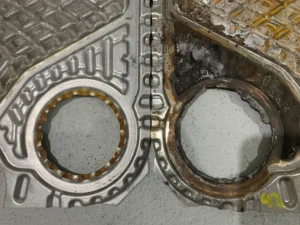
Another issue is leaking, typically caused by worn-out or incorrectly installed gaskets. Leaks often cause fluid loss and reduced performance, so you should inspect the unit regularly and torque the bolts correctly. In addition, using incompatible materials with certain fluids may lead to corrosion, making material selection a critical step. Using corrosion-resistant metals like titanium can mitigate this problem.
Thermal expansion and stress also pose risks, especially in systems dealing with extreme temperature changes or mismatched materials. To counteract this, ensure all materials are compatible and monitor operating conditions closely. Furthermore, gasket failure can result from chemical attack, improper installation, or general wear and tear. Choosing the right gasket material and replacing it on a regular basis is critical for ongoing performance.
Besides these, pressure drop issues may arise if blockages or fouling are present or if the flow rate is too low. Monitoring flow and cleaning as needed will help maintain system efficiency. Other issues such as plate damage or cracking, improper plate alignment, and incorrect installation usually stem from poor handling or failure to follow manufacturer guidelines. Each of these problems can be prevented or quickly addressed through routine inspections and proper assembly procedures. Lastly, over- or under-tightening the unit can compromise performance, so always use a torque wrench and follow the recommended specifications.
What Influences Efficiency?
Several key factors determine the efficiency of a plate heat exchanger. The primary factor is the plate design and surface area. Plates with corrugated patterns generate turbulence in the fluids, which significantly improves heat transfer. Additionally, increasing the number of plates expands the surface area, further enhancing performance.
The flow arrangement is another major factor. Counter-current flow, where fluids move in opposite directions, offers the highest efficiency by maintaining a greater temperature difference throughout the exchanger. In contrast, co-current and cross-flow arrangements are less effective, although they may be better suited for specific scenarios.
Fluid velocity is also important. While higher velocities increase turbulence and heat transfer rates, they also lead to greater pressure drops. Thus, achieving the right balance is essential. The temperature difference between the hot and cold fluids is also a driving force in heat exchange; a greater difference generally leads to better performance, while smaller approach temperatures can reduce effectiveness.

Operational and Maintenance Factors That Affect Performance
Fluid properties also come into play. Fluids with higher thermal conductivity exchange heat more effectively. Conversely, fluids with high viscosity tend to flow more slowly and reduce heat transfer rates. Specific heat capacity also matters, as it determines how much energy a fluid can absorb during the process.
Another factor to consider is the pressure drop across the exchanger. A high pressure drop can increase operating costs, so the system should be designed to minimise resistance without compromising heat transfer. At the same time, fouling resistance is crucial. Keeping plates clean and using fouling-resistant materials or coatings can greatly improve long-term efficiency.
Gasket integrity also impacts performance. A failed gasket can cause leaks and shutdowns, so choosing compatible materials and performing routine checks is essential. Additionally, maintenance and cleaning routines are critical. Neglected units quickly lose efficiency, while well-maintained systems continue to perform optimally.
Lastly, design and sizing play a crucial role. An undersized exchanger will struggle to meet demand, whereas an oversized one may incur unnecessary capital and operating costs. Consistent operational conditions such as steady temperatures and flow rates also help maintain reliable performance over time.
Are Plate Heat Exchangers Cost-Effective?
In many situations, plate heat exchangers prove to be more cost-effective than traditional shell and tube models. Not only are they generally cheaper to purchase and install, but they also offer advantages in terms of space, maintenance, and flexibility. For example, PHEs can be cleaned and serviced on-site without disconnecting pipework, which drastically reduces downtime.
That said, there are some trade-offs to consider. Although shell and tube exchangers often have longer lifespans, they require more space and can be significantly more expensive to repair or modify. Ultimately, the cost-effectiveness of a plate heat exchanger depends on your specific needs, especially when it comes to budget, space constraints, operating conditions, and maintenance requirements.
Plate heat exchangers offer a flexible, compact, and efficient solution for a wide variety of thermal applications. By understanding the costs, recognising common issues, and considering the factors that influence performance, you can make more informed decisions when selecting, operating, or maintaining a plate heat exchanger. Whether you’re managing a small commercial system or a large-scale industrial operation, getting these details right will lead to better outcomes in the long run.
Get Ahead of Maintenance – Contact Us Today!
With our expanded services and smarter tracking, keeping your heat exchangers running at peak efficiency has never been easier.
📞 Contact us here to schedule a service or learn more about how our new system can benefit your operations.
Heat Exchanger Maintenance Essential Guide
Why Is Regular Maintenance Important for Heat Exchangers?
Regular heat exchanger maintenance is essential to ensure equipment operates at peak efficiency. When an exchanger doesn’t function optimally, it takes longer and uses more energy to achieve the desired heat transfer. This increases pump run times, raises energy consumption, and places additional strain on boilers or other heat sources. By maintaining your system regularly, you can reduce inefficiencies, lower operating costs, and extend the unit’s service life.
Recognising the Signs and Scheduling Maintenance
Heat exchangers that need servicing often show clear warning signs. One of the most common is reduced heat transfer efficiency. If the unit fails to deliver the expected temperature difference, it’s likely struggling to perform. You might also notice low flow rates, which typically result from blocked inlets or outlets restricting fluid movement. Leaks are another clear indicator, often caused by gasket failure or plate deterioration, and can appear as drips or pooling fluid around the unit.
How often you should service a heat exchanger depends on what the unit does. Cooling applications usually require inspection every two to three years because they run on cleaner systems, like glycol, which are gentler on internal parts. Heating applications, however, demand more frequent maintenance. High temperatures and frequent thermal expansion wear out gaskets and promote fouling. As a general rule, service steam units annually and hot water systems every one to two years. While many wait for leaks to occur before acting, proactive maintenance prevents breakdowns and keeps your system efficient.
Routine maintenance tasks vary depending on the system. Typically, you should open and clean the unit every one to three years. Inspect and replace gaskets when necessary, especially in high-heat environments. Use Chemical Cleaning-In-Place (CIP) methods to reduce fouling without needing full disassembly, and carry out gas testing to check plate integrity and catch issues early.
Several factors affect how often you should perform maintenance. High operating temperatures cause faster gasket wear and more fouling, meaning more frequent servicing. The type and cleanliness of the fluid passing through the exchanger also matter, dirty or corrosive substances accelerate wear. Finally, how often the system runs influences maintenance needs. Continuous use puts more strain on the components than intermittent operation.

Heat Exchanger Repair Guide
Several common issues can require repairs for heat exchangers. Gasket failure is one of the most frequent problems, as gaskets become brittle and crack over time, leading to leaks. Plate damage is another concern, where holes or corrosion in plates can cause cross-contamination between fluids. Frames and bolts can also deteriorate, particularly if they become rusty or seized, making servicing difficult. Additionally, nozzle and liner breakage can impact fluid flow and reduce efficiency.
Most heat exchanger problems can be repaired, but the decision between repair and replacement depends on cost, downtime, and severity. Minor issues, such as gasket replacement or plate cleaning, are usually cost-effective solutions. However, if multiple plates are compromised, a full plate pack replacement may be more efficient. In critical systems where downtime must be minimised, installing a new unit may be the best option, even if it comes at a higher initial cost.
Diagnosing heat exchanger problems involves identifying the source of inefficiencies. Leaks are often due to gasket failure, which can be detected by checking for fluid drips from the plate pack. Fouled plates or blocked nozzles typically cause poor heat transfer performance. Technicians can assess this by comparing the inlet and outlet temperatures. If the temperatures are nearly identical, the unit isn’t transferring heat effectively. Restricted flow rates can also indicate blockages in the inlets or outlets.
The time required to repair a heat exchanger varies depending on factors such as unit size, complexity, and the extent of the issue. Larger units or those with extensive fouling take longer to service. The type of repair also impacts time; simple gasket replacements are quicker, while full plate pack changes require more time and labour. Costs depend on parts such as new plates, gaskets, nozzles, frames, and labour expenses for completing the job.

Heat Exchanger Cleaning Guide
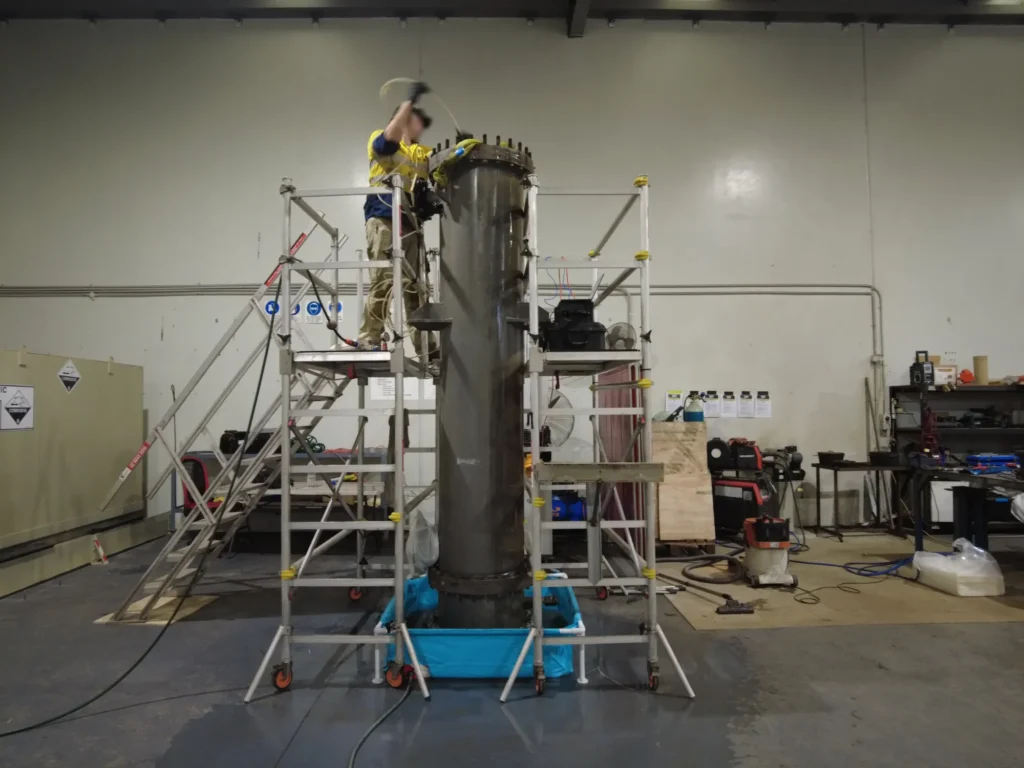
Keeping a heat exchanger clean is essential for maintaining its efficiency. Technicians use several cleaning methods, including chemical cleaning, mechanical cleaning with brushes or scrapers, high-pressure washing, and CIP cleaning, which flushes cleaning agents through the unit without requiring disassembly.
Signs that a heat exchanger needs cleaning include reduced heat transfer efficiency, increased energy consumption, and pressure drops. If the inlet and outlet temperatures are too similar, it indicates that fouling is preventing effective heat transfer. A significant rise in energy usage can also signal that the system is working harder to compensate for inefficiencies caused by build-up. Pressure drops can indicate clogged or restricted flow paths, which require immediate attention.
Neglecting regular cleaning can lead to severe consequences. Fouling layers accumulate over time, acting as an insulation barrier that prevents efficient heat transfer. This results in higher energy costs, reduced system performance, and increased wear on components. If left unchecked, these build-up layers can cause corrosion, plate damage, and eventual failure, leading to costly repairs or complete unit replacements.

Other Key Considerations
The type of heat exchanger affects its maintenance and repair needs. High-temperature units require frequent servicing due to gasket wear and fouling build-up. Systems exposed to chemicals, such as pool heat exchangers, experience accelerated degradation of plates and gaskets. Steam units are also more prone to rapid fouling and gasket failure due to repeated thermal cycling.
Regular heat exchanger maintenance and upgrades can improve the performance of heat exchangers. Expanding a plate pack or upgrading to a larger unit can enhance efficiency and reduce the impact of fouling. Routine cleaning and servicing ensure that the plates remain as clean as possible, allowing for optimal heat transfer and extending the lifespan of the equipment.
Proper heat exchanger maintenance, timely repairs, and regular cleaning are essential for maximising the efficiency and longevity of heat exchangers. By following a structured maintenance plan and addressing issues proactively, businesses can minimise downtime, reduce operational costs, and ensure consistent performance of their heat exchange systems.
Get Ahead of Maintenance – Contact Us Today!
With our expanded services and smarter tracking, keeping your heat exchangers running at peak efficiency has never been easier.
📞 Contact us here to schedule a service or learn more about how our new system can benefit your operations.

Shane’s 7 Year Anniversary With InKorr!
At InKorr, we take great pride in the expertise and dedication of our team, and today, we celebrate a significant milestone: Shane Halliwell’s seven-year anniversary with the company. As an expert service technician, Shane has played a pivotal role in shaping our service operations, bringing a wealth of knowledge and hands-on experience in heat exchanger servicing and repairs. His contributions, particularly in the graphite equipment sector, have made him an experienced professional in this field. To mark this occasion, we sat down with Shane to reflect on his journey, challenges, and achievements over the years.
A Career Driven by Passion and Opportunity
Shane’s journey at InKorr began as a service technician working on a single contract with BlueScope Steel. Over time, his responsibilities expanded as he took on larger projects and played an integral role in securing ongoing service contracts. Today, as a service manager, he oversees all repair and servicing jobs, coordinating both in-house and on-site operations. His work extends to major interstate projects, where he meticulously plans, orders parts, and leads service teams to deliver seamless results. Additionally, he provides critical on-call support, ensuring our clients receive top-tier assistance whenever needed.
When asked what initially attracted him to InKorr, Shane describes it as a fortunate alignment of skills and opportunity. Having completed an apprenticeship and previously worked in a similar role, he was eager to return to the field. Through a mutual connection, he met Lance, who was seeking someone with Shane’s expertise. What made InKorr stand out to Shane, however, was its unique equipment and specialised services in hazardous material handling – an area that continues to keep Shane engaged and constantly learning.

Memorable Projects, Growth, and Impact
Among Shane’s many accomplishments, one project stands out: the complete overhaul of an HCL synthesis unit for IXOM in 2019. This was the first major project where he took on a leadership role, managing every aspect from planning to execution. The 10-day endeavour involved two rotating teams working in overlapping 12-hour shifts to ensure 24/7 progress. Coordinating labour, subcontractors, equipment, cranes, and parts while adhering to a strict timeline was a complex challenge – but one that Shane tackled with skill and confidence. The project’s success solidified his expertise and contributed significantly to InKorr’s reputation in the industry.
Reflecting on his early days, Shane recalls starting in a small factory with just Lance as his colleague. Fast forward to today, InKorr has grown into a team of 12, offering an expanded range of services to a diverse client base. He credits this growth to a culture of shared experience, where everyone learns from one another to build a stronger, more capable team.
Although modest about his impact, Shane’s contributions towards InKorr’s success is undeniable. With his prior industry experience, he has been instrumental in refining service processes and expanding client relationships. One of his biggest areas of growth has been his ability to communicate technical insights clearly to clients, allowing for better sales and business development. This skill has become a crucial part of his role and has helped InKorr strengthen its client partnerships.
Looking to the Future
As for what’s next, Shane remains focused on continuing InKorr’s growth. With a strong foundation in Melbourne and a national and international client base, his goal is to further develop relationships with interstate clients, ensuring they receive the best possible service and support.
When asked to sum up his time at InKorr, Shane describes it as: eye-opening, fun, interesting, and rewarding – all within a tight-knit team. If he could relive one day, it would be the conclusion of the IXOM project – the moment when all the planning, effort, and teamwork came together. The validation of their work and the success of the project were pivotal, not just for InKorr’s growth, but for Shane’s own professional development. Seeing the company and its people evolve from that point onward has been one of the most fulfilling aspects of his career.
A Well-Deserved Celebration
Shane’s seven-year journey is a testament to his hard work, expertise, and commitment to InKorr’s success. We congratulate him on this incredible milestone and look forward to many more years of innovation and leadership in the industry.
Contact Us Today!
With our expanded services and smarter tracking, keeping your heat exchangers running at peak efficiency has never been easier.
📞 Contact us here to schedule a service or learn more about how our new system can benefit your operations.
Heat Exchanger Repair Service Upgrades at InKorr
At InKorr, we know how crucial heat exchanger performance is to your operations, because regular maintenance and early fault detection can mean the difference between smooth production and a costly heat exchanger repair. That’s why we’ve enhanced our maintenance services and reporting system, giving you better diagnostics, clearer records, and proactive service reminders to keep your equipment in top shape.
What’s New With Our Heat Exchanger Repair?
We’ve upgraded our service scope with new diagnostic tests, improved reporting, and smarter maintenance tracking, ensuring faster fault detection and long-term equipment reliability. Here’s how these changes benefit you:

1. Advanced Diagnostic Testing
Our technicians now offer new inspection methods to detect problems early and help you avoid unexpected breakdowns:
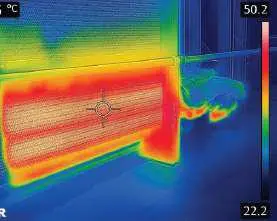
Thermal Imaging Inspections – Identify blockages, poor flow, and inefficiencies inside your heat exchangers. ✅
Full Heat Exchanger Health Check – Monitor flow rates and temperature to ensure optimal performance. ✅
These new services complement our existing tests, including:
Hydraulic & Pneumatic Pressure Testing ✅
Gas Leak Testing ✅
UV Dye Penetrant Inspection ✅
Plate Crack Testing ✅
Individual Tube Pressure Testing for shell & tube exchangers ✅
NATA Certified Testing for compliance needs ✅

2. Smarter, More Transparent Reporting
We’ve upgraded our reporting system to help you keep better records of maintenance and performance. Our new system allows for:
Initial Inspection Reports – Get an early view of potential faults before any repairs begin. ✅
Final Reports with Work Details – See not only what work was performed on your heat exchangers but also the full details for complete transparency. ✅
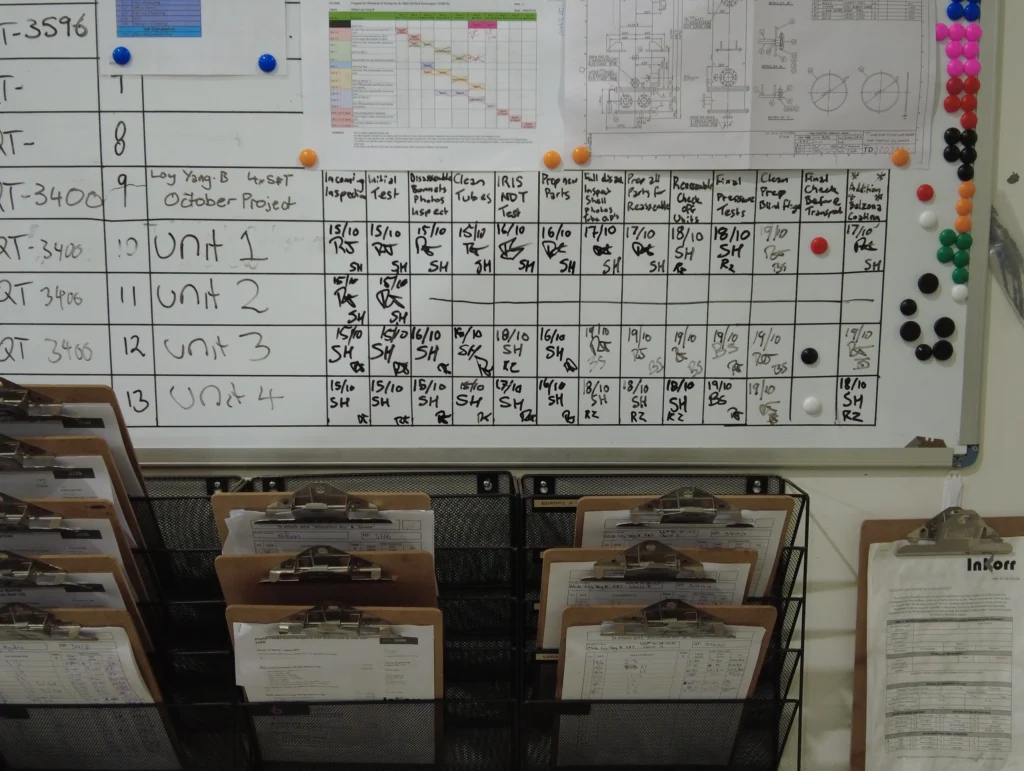
Serial Number-Based Tracking – Not only can you keep a full history of maintenance for each unit, but you can also ensure accurate records and easier traceability. ✅
Regular Equipment Maintenance Summaries – Get detailed insights into all serviced equipment on your site, making it easier to monitor overall maintenance performance. ✅
Automated Maintenance Reminders – Never miss a service again because of our reminders. ✅

3. A Complete Range of On-Site & In-House Heat Exchanger Repair Services
We continue to provide comprehensive maintenance solutions, including:
Chemical Descaling & CIP Cleaning ✅
Complete Disassembly, Re-Gasketing & Reassembly ✅
Gas Leak Detection & Pressure Testing ✅
Installation of New Parts & Equipment ✅

What This Means for You
Less Downtime – Prevent equipment failures before they happen. ✅
Better Performance – Not only does our new diagnostics optimise heat exchanger efficiency, but it also enhances overall performance. ✅
Easier Compliance – In addition, our automated reporting tracks all maintenance records to track your maintenance records effortlessly ✅
More Savings – Likewise, catching small issues early helps avoid an expensive heat exchanger repair. ✅
Get Ahead of Maintenance, Contact Us Today!
With our expanded services and smarter tracking, keeping your heat exchangers running at peak efficiency has never been easier.
📞 Contact us here to schedule a service or learn more about how our new system can benefit your operations.
Heat Transfer in Heat Exchangers: Comprehensive Guide
Heat transfer is a fundamental process in engineering, playing a crucial role in various industries, from power generation to HVAC systems. One of the most efficient ways to manage heat transfer is through the use of heat exchangers. This is because these devices facilitate the transfer of thermal energy between two or more fluids without mixing them, improving energy efficiency and process performance.
Fundamentals of Heat Transfer
Heat transfer occurs through three primary mechanisms: conduction, convection, and radiation. In heat exchangers, conduction and convection are the dominant ways heat transfers:
Radiation: The transfer of energy through electromagnetic waves. Although present, radiation is typically negligible in most heat exchanger applications.
Conduction: The transfer of heat through a solid material. In heat exchangers, metal walls separate the hot and cold fluids, allowing heat to pass through via conduction.
Convection: The movement of heat through a fluid (liquid or gas) due to temperature-induced motion. This can be enhanced by turbulence, which then increases the rate of heat transfer.

Types of Heat Exchangers Used in Heat Transfer Applications
Several types of heat exchangers serve different applications, efficiency requirements, and space constraints. The most common types include:
1. Shell and Tube Heat Exchangers
These are widely used in industrial applications, including chemical processing and power plants. They consist of a bundle of tubes enclosed within a shell. One fluid flows through the tubes while another fluid flows around them, allowing efficient heat transfer.
2. Plate Heat Exchangers
These consist of multiple thin, corrugated plates that provide a large surface area for transferring heat. Engineers commonly use them in food processing, HVAC, and refrigeration because of their compact size and high efficiency.
3. Spiral Heat Exchangers
Spiral heat exchangers use a coiled design to promote efficient heat transfer while reducing pressure drop and fouling. Engineers often use them in applications involving viscous fluids, slurries, and wastewater treatment.
4. Graphite Heat Exchangers
Graphite heat exchangers offer excellent corrosion resistance and thermal conductivity, making them ideal for handling highly corrosive fluids in chemical processing and pharmaceutical industries.


Factors Affecting Heat Transfer in Heat Exchangers
Several factors influence the effectiveness of heat transfer in heat exchangers:
- Temperature Difference: The larger the temperature gradient between the fluids, the higher the heat transfer rate.
- Surface Area: Many heat exchangers have extended surfaces like fins or plates because a larger surface area improves efficiency.
- Heat Exchanger Design: The overall design affects how fluids mix during heat transfer. More fluid mixing leads to better heat transfer effectiveness by creating a more uniform temperature profile throughout the liquid.
- Flow Arrangement: The relative movement of the fluids impacts performance. The common configurations include:
- Parallel Flow: Both fluids move in the same direction.
- Counterflow: Fluids move in opposite directions, which allows higher efficiency compared to parallel flow.
- Crossflow: Fluids move perpendicular to each other, commonly used in air-cooled heat exchangers.
- Material Selection: Materials with high thermal conductivity, such as copper, enhance efficiency.
- Fluid Properties: The viscosity, density, and specific heat capacity of fluids impact performance.
- Fouling and Scaling: Deposits on heat exchanger surfaces reduce efficiency because they insulate the surfaces. Regular maintenance and cleaning help mitigate this issue.
Applications of Heat Exchangers
Heat exchangers are essential in various industries, including:
- Power Plants: Heat exchangers are also used in boilers, condensers, and cooling systems to efficiently manage heat flow.
- HVAC Systems: Essential for heating, ventilation, and air conditioning applications.
- Chemical Processing: Used in reactors and distillation units because they provide precise temperature control.
- Marine and Pool Applications: Heat exchangers are widely used in marine systems for engine cooling and in swimming pools for efficient water heating.
- Food and Beverage Industry: Heat exchangers also ensure proper thermal processing in pasteurisation and refrigeration.
Computational Fluid Dynamics (CFD) in Heat Transfer
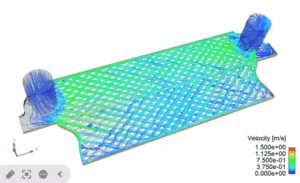
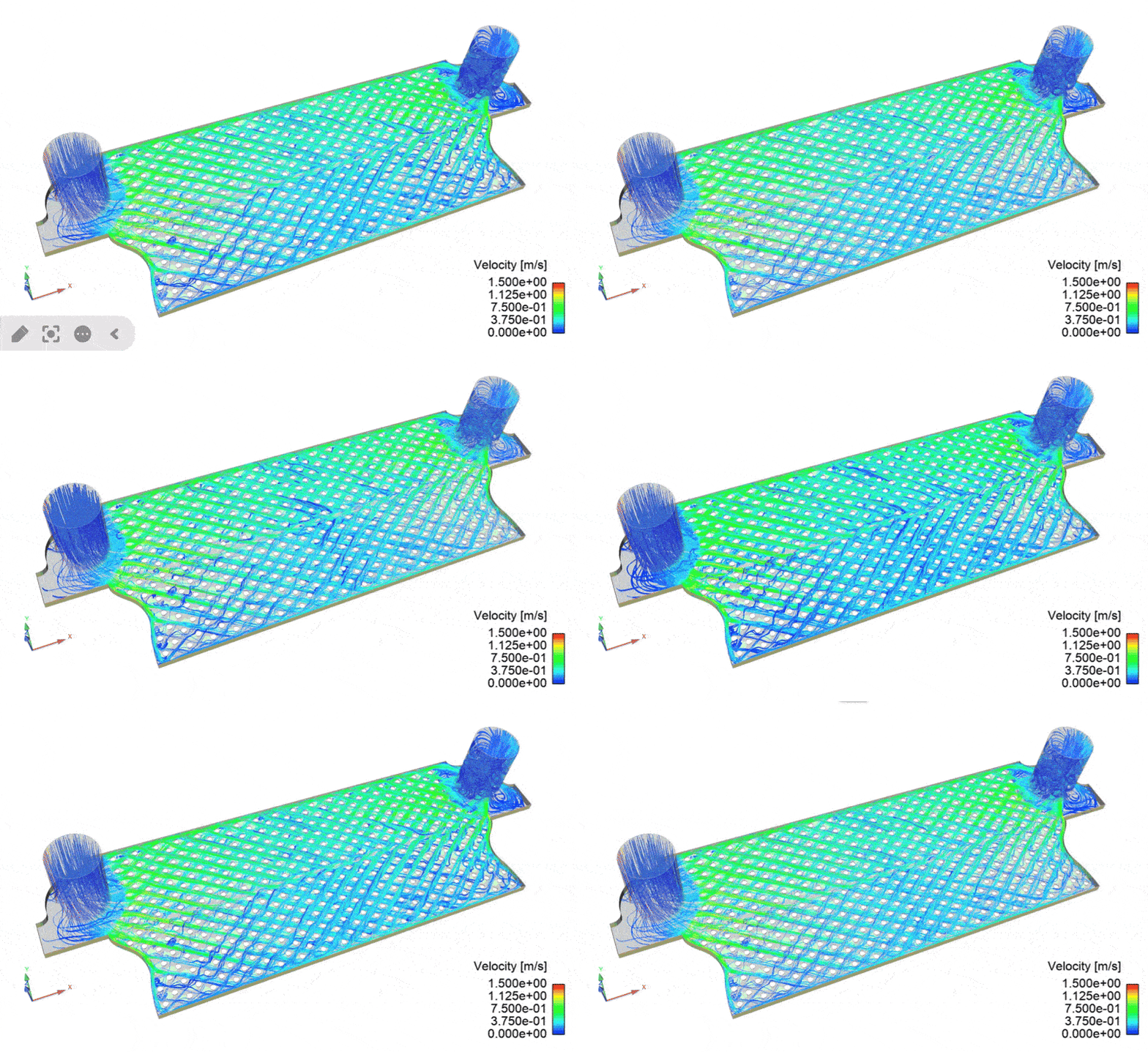
Computational Fluid Dynamics (CFD) is a powerful tool used to analyse and optimise heat transfer processes in engineering applications. CFD simulations allow engineers to visualise and predict fluid flow behaviour, temperature distribution, and heat transfer efficiency within heat exchangers. By solving complex mathematical equations that govern fluid dynamics and thermal transport, CFD helps in designing more efficient heat exchangers while reducing the need for costly physical prototypes.
CFD is particularly useful in evaluating different heat exchanger configurations, assessing turbulence effects, and identifying potential inefficiencies like hot spots or pressure drops. Additionally, it enables engineers to study the impact of various parameters, such as fluid velocity, material selection, and flow arrangement, to enhance overall performance. As computational power continues to advance, CFD remains an indispensable tool for improving heat exchanger designs across industries like power generation, chemical, HVAC systems, and food and beverage processing.


Heat transfer is a crucial process in engineering, and heat exchangers play a vital role in enhancing efficiency across various applications. Understanding its principles, the types of heat exchangers, and the factors affecting their performance helps in selecting the right system for specific needs. Heat exchangers continue to evolve because of advancements in materials and design, contributing to energy conservation and sustainability in modern industries.
If you’re looking for heat exchanger solutions for your business, our experienced team can sort it out for you. Contact us here to get started.
Energy Efficiency and Sustainable Brewing Practices
Client: Wolf of the Willows Brewery
Industry: Brewing
Project: Heat Exchanger Replacement and Upgrade
Application: Wort Cooling & Liquor Preheating, Trade Waste Water Cooling
Location: Victoria
Products: IKP Brew Plate Exchanger

Background
Wolf of the Willows, an innovative brewery in Australia, was facing challenges related to energy efficiency and waste management in their brewing process. Breweries traditionally use a heat exchanger to cool the wort (unfermented beer) after the boiling stage by transferring its heat to preheat incoming liquor (brewing water). This process saves significant energy, as less heat is needed to bring the liquor to the required temperature for brewing. The client’s existing heat exchanger was no longer performing efficiently, leading to increased energy consumption and operational costs. Additionally, the disposal of trade waste water from keg washing posed a challenge, as the water needed to be cooled to regulated temperatures before discharge.
The Solution
The client approached InKorr to leverage our heat exchanger expertise in providing a comprehensive solution – from thermal sizing and design, to fabrication and testing of a brand new plate heat exchanger, with the added goal of increasing capacity for future expansion. The project unfolded in two key phases:
- Replacement of the Wort Cooling Heat Exchanger: InKorr supplied a brand new IKP Brew Plate Exchanger, specifically designed for the brewery’s wort cooling process. This fully-stainless heat exchanger provided highly efficient thermal transfer, significantly improving the wort cooling process. The recovered heat was effectively transferred to preheat the incoming liquor, reducing the energy required for the brewing process. This upgrade not only enhanced energy efficiency but also ensured consistent brewing temperatures, leading to improved product quality.
- Repurposing the Old Heat Exchanger: The old plate heat exchanger was adapted to cool trade waste water from the brewery’s keg washing and sterilizing operations. This innovative reuse allowed the brewery to efficiently lower the temperature of trade waste water, ensuring compliance with local environmental regulations before discharge. This not only helped the brewery achieve their target of environmentally friendly beer brewing but also allowed them to maximise use of existing assets.

Results
- Energy Efficiency: The new IKP Brew Plate Exchanger reduced the energy required for the wort cooling and liquor preheating process, contributing to lower operational costs and a more sustainable brewing process.
- Future-Proofing: With the increased capacity of the new heat exchanger, the client is well-positioned to expand their operations in the future without needing further modifications to their heat recovery system.
- Sustainability: The reconfiguration of the old heat exchanger for cooling trade waste water provided a cost-effective solution that extended the lifespan of existing equipment while ensuring regulatory compliance. This innovative approach minimized waste and supported the brewery’s commitment to sustainable brewing practices.
Conclusion
InKorr’s expertise in heat exchanger technology not only addressed the immediate energy efficiency and waste management challenges faced by Wolf of the Willows Brewery but also provided a scalable solution to support their future growth. Find out more or contact us for any heat exchanger replacement, upgrade, or refurbishment projects.
Pool Exchanger Plates Swap: Lower Plate Heat Exchanger Price

Introducing InKorr’s Innovative Exchanger Plates Swap Program for Commercial Swimming Pools
At InKorr, we’re thrilled to unveil our latest solution tailored specifically for commercial swimming pools: the Plate Swap Program. Designed to revolutionize pool maintenance, this program offers a seamless and cost-effective way for pool operators to ensure optimal performance year-round without the hassle of traditional plate maintenance.
How Does It Work?
Our Plate Swap Program operates on a simple yet ingenious concept. We maintain a pool of common titanium plates that have undergone our rigorous cleaning and testing process. When a pool’s plates become dirty or damaged, instead of undergoing the time-consuming process of removal, cleaning, and testing, pool operators can simply swap them out with plates from our service program.


Benefits
- Minimal Downtime: With our Plate Swap Program, downtime is reduced to a minimum. Pool maintenance becomes a breeze as plates can be swiftly swapped without disrupting regular operations.
- Cost-Efficiency: Say goodbye to unexpected expenses! By participating in our program, pool management can rely on a regular rotation of plates, eliminating the need for costly purchases of new plates. Clear budgeted costs ensure financial stability and peace of mind.
- Optimized Performance: Clean and fully tested plates mean optimized performance for your commercial swimming pool. You can trust that your pool will maintain its peak functionality, even during critical times like winter, without the risk of breakdowns or loss of heating.

Why Choose InKorr?
InKorr stands out for its commitment to innovation and excellence in pool maintenance solutions. With our Plate Swap Program, we combine convenience, reliability, and cost-effectiveness to meet the unique needs of commercial pool operators.
Don’t let high plate heat exchanger prices hold your pool back. Join the countless satisfied customers who have already experienced the difference with InKorr’s Plate Swap Program. Get in touch with us today to learn more and take the first step towards hassle-free pool maintenance!