
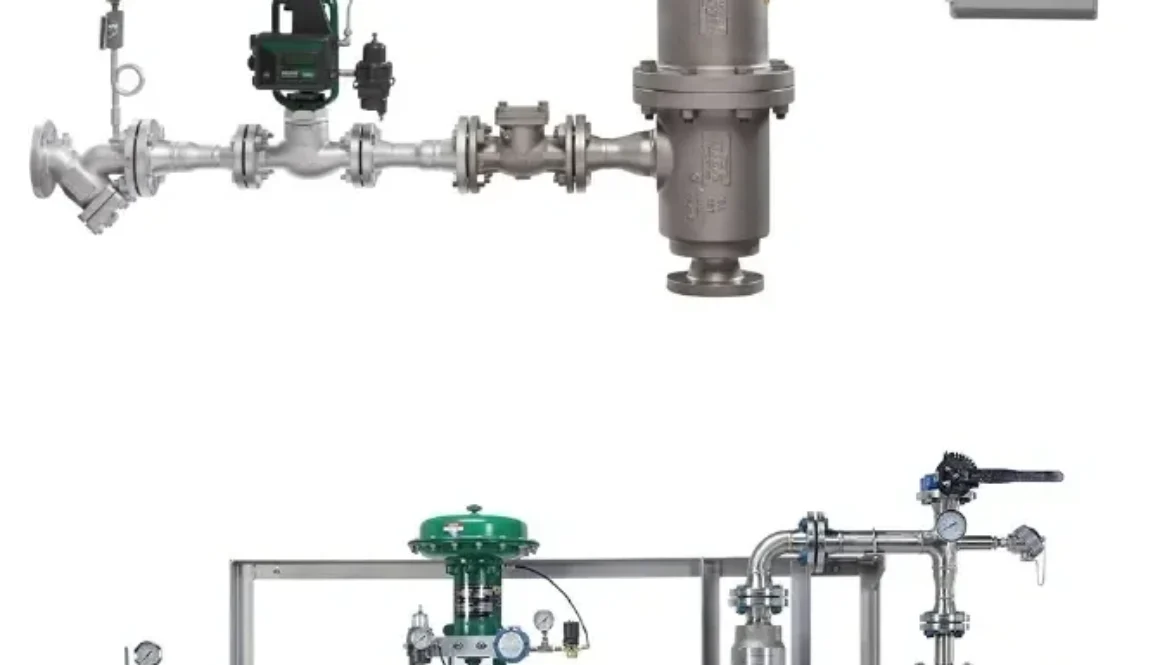
What is DSI?
What Is Direct Steam Injection?
Direct Steam Injection (DSI) is a highly efficient method of heating liquids by injecting steam directly into the process fluid. Unlike traditional heat exchangers that rely on indirect heat transfer across a metal surface, DSI transfers thermal energy instantly through direct contact between steam and liquid. This fundamental difference in approach eliminates thermal resistance entirely, the very barrier that causes energy loss and sluggish response times in conventional systems.
In industries where speed, precision, and efficiency are not just desirable but critical to product quality and operational viability, DSI is increasingly becoming the preferred thermal solution. As businesses face growing pressure to reduce energy consumption, cut operating costs, and improve process reliability, the appeal of a technology that addresses all three simultaneously is hard to ignore.
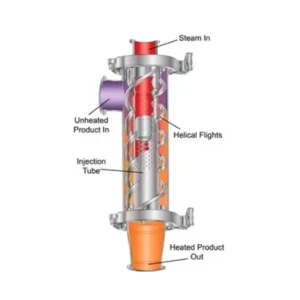
How Direct Steam Injection Works
At its core, DSI is a simple but remarkably powerful concept. Steam is injected into a liquid stream through a specially engineered nozzle or injector. As the steam condenses upon contact with the cooler process fluid, it releases its latent heat directly and immediately into the liquid, causing a rapid and controlled temperature rise. There is no intermediate surface, no thermal lag, and no energy wasted heating metal before it can heat your product.
Because the steam fully condenses into the product stream, nearly all of the available thermal energy is utilised. This makes DSI one of the most thermally efficient heating methods available in industrial processing today.
Key characteristics of DSI systems include:
- Instant heat transfer through direct steam-to-liquid contact
- No heat transfer surface to foul, scale, or degrade over time
- Precise temperature control achievable with the right system design
- Compact equipment footprint compared to traditional heating systems
Why Choose Direct Steam Injection?
1. Unmatched Heating Speed
DSI delivers an immediate temperature rise, making it ideal for processes that require rapid heating or tight thermal control. There is no lag time associated with warming up metal surfaces, a common inefficiency in traditional heat exchangers where the heating medium must first transfer energy to a wall before that wall can transfer energy to the product. With DSI, the steam and the fluid are in direct contact, and the temperature response is essentially instantaneous. For time-sensitive processes or high-throughput production lines, this responsiveness translates directly into productivity gains.
2. Exceptional Energy Efficiency
By eliminating the physical barrier between steam and fluid, DSI systems minimise heat loss at every stage of the process. Almost all the energy contained within the steam is transferred directly into the product rather than being dissipated through equipment or lost to the environment. Over time, this efficiency advantage compounds into meaningful reductions in energy bills and carbon emissions, both of which are increasingly important considerations for modern industrial operations striving to meet sustainability targets.
3. Reduced Fouling and Maintenance
Traditional heat exchangers are well known for their susceptibility to fouling, scaling, and corrosion on heat transfer surfaces. These build-ups reduce thermal efficiency, increase pressure drop, and ultimately lead to costly cleaning and replacement cycles. DSI removes this issue entirely. With no plates, tubes, or transfer surfaces involved in the heating process, there is simply nothing to foul or corrode in the same way. Maintenance requirements are significantly reduced, equipment uptime improves, and the unpredictable costs associated with surface degradation are largely eliminated.
4. Compact and Scalable Design
DSI systems are typically far smaller and simpler in configuration than conventional heating equipment. This makes them easier to install in existing facilities, simpler to integrate into current process lines, and more straightforward to scale as production demands grow. Businesses can expand capacity or adapt processes without the major infrastructure overhauls that traditional systems often require, a significant advantage for operations that need flexibility.
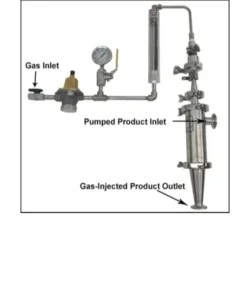
Common Applications of DSI
Direct Steam Injection is widely used across industries where rapid, efficient, and hygienic heating is essential.
Food and Beverage Processing – DSI is particularly well suited to pasteurisation and sterilisation, where precise temperature control and rapid heat delivery are critical to both product safety and quality. It is also widely used for heating sauces, dairy products, and liquid foods, as well as for maintaining hygienic processing conditions throughout production.
Chemical and Industrial Processing – In chemical plants and industrial facilities, DSI is used to heat process fluids and slurries, maintain reactor temperatures, and support cleaning-in-place (CIP) systems where rapid heating of cleaning solutions is required.
Pulp and Paper – Stock heating and process water temperature control are common applications in this sector, where consistent thermal performance is essential to maintaining product quality.
Mining and Heavy Industry – Slurry heating and process water management are key uses in mining environments, where robust, low-maintenance solutions are essential given the harsh operating conditions.
Important Considerations Before Implementation
While DSI offers significant advantages, it is not universally suitable for every application, and understanding its limitations is essential to making the right decision for your process.
Product Dilution is the most important consideration. Because steam condenses directly into the process fluid, it adds water to the product. In some applications this is entirely acceptable or can be compensated for in process design. In others, where precise concentration control is critical, it may require careful management or may rule DSI out altogether.
Steam Quality is equally important, particularly in food, beverage, or pharmaceutical applications. DSI requires high-quality, clean steam that meets appropriate standards for direct product contact. Contaminated or low-quality steam can directly affect product integrity, so steam generation and treatment must be considered as part of the overall system design.
System Design and Control is where the success or failure of a DSI installation is often determined. Proper injector design, sizing, and control systems are critical to achieving stable, accurate, and repeatable temperature regulation across varying flow rates and operating conditions. This is where working with an experienced provider like InKorr becomes not just beneficial, but essential.
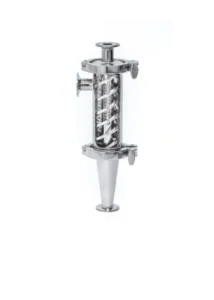
DSI vs Traditional Heat Exchangers
| Feature | Direct Steam Injection | Traditional Heat Exchangers |
|---|---|---|
| Heat Transfer Speed | Instant | Gradual |
| Energy Efficiency | Very High | Moderate |
| Fouling Risk | Minimal | High |
| Maintenance | Low | Moderate to High |
| Footprint | Compact | Larger |
| Product Dilution | Yes | No |
The Future of Industrial Heating
As industries push for greater efficiency, lower emissions, and reduced downtime, technologies like Direct Steam Injection are becoming increasingly central to modern process design. DSI represents a broader shift in industrial thinking, away from complex, maintenance-heavy systems and towards simpler, more direct, and more effective thermal solutions that maximise energy use while minimising operational complexity.
The economic case is compelling, but so is the environmental one. As businesses face increasing regulatory and social pressure to reduce their energy footprint, investing in inherently efficient technologies like DSI is a forward-looking decision that delivers returns both now and into the future.
Partner with Experts in Thermal Solutions
At InKorr, we help businesses implement advanced heating solutions that improve performance, reliability, and long-term value. Whether you are exploring DSI for the first time or looking to optimise an existing system, our team can guide you through every stage, from initial design and engineering through to integration, commissioning, and long-term maintenance support.
If your current heating system is slow, inefficient, or prone to fouling, Direct Steam Injection could be the solution your process needs. Get in touch with the InKorr team today to explore how DSI can transform your thermal performance.